
Overview
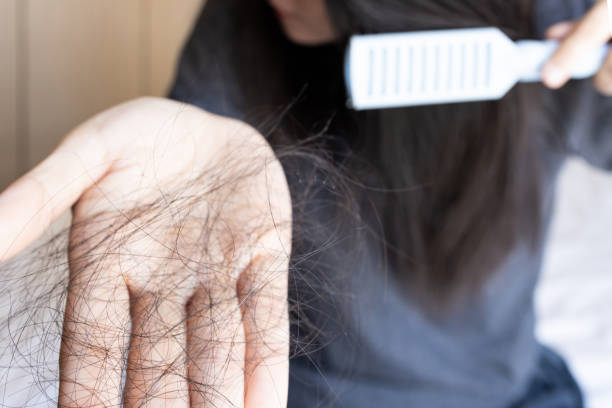
Our entire environment directly affects the condition of our hair, and one of the worst hidden dangers to hair at the moment is pollution. Although many people blame their hair loss on things like genetics, stress, or poor diet, few realize that environmental pollution plays a major role in hair damage. The scalp and hair follicles are gradually weakened by pollutants in the air we breathe and the water we drink, which results in excessive shedding, thinning, and breaking of hair.
The effects of air pollution on hair health
Air pollution is one of the primary causes of scalp pain and follicular damage. Smoke, tiny dust particles, and toxic gases found in polluted air clog pores and harm hair roots when they impact on the scalp. Eventually, this buildup stops the hair follicles from getting enough oxygen, which causes hair loss and brittleness. Studies have shown that prolonged exposure to high levels of air pollution also accelerates premature greying and hair loss.
Water pollution and hair loss
Just as clean water is essential for our overall health, it is also essential for hair. Many urban areas have water that contains hard minerals, heavy metals, and chlorine, which makes hair harsh and brittle. Dryness, irritation, and finally hair loss result from routinely washing your hair with filthy water, which destroys its natural oils. Residents of hard-water areas often experience more breakage and dandruff than residents of other areas.
Exposure to Environmental Chemicals
Daily exposure to harmful elements, whether from industrial pollution, vehicle exhaust, or airborne cleaning products, can also lead to poor hair health. These toxins undermine the scalp’s protective layer, making it more vulnerable to infections and discomfort. As a result, the hair roots degenerate and the probability of hair loss increases significantly.
Stressors in the Environment
In addition to its physical impact on hair, pollution also creates emotional stress. Living in a polluted environment can lead to a number of frequent side effects, including stress, fatigue, and respiratory issues, all of which indirectly affect hair development. Stress hormones are believed to slow down the natural cycle of hair growth, leading to increased thinning and shedding.
How to Prevent Healthy Hair
We can take simple steps to protect our hair against pollution, even if we can’t completely prevent it. Using water filters, washing your hair often with mild shampoos, covering your head when you’re outside, and maintaining a nutritious diet high in vitamins and antioxidants can all help lessen the harmful effects of pollutants. Additionally, natural oil massages for the scalp helps strengthen roots and improve blood flow.
The Role of Lifestyle Choices
The risk of pollution-induced hair damage can be considerably decreased by leading a healthy lifestyle. By quitting smoking, drinking enough of water, and practicing stress-relieving techniques like yoga and meditation, one might mitigate the negative effects of environmental pollution on hair health. Treating severe pollution-induced hair loss also benefits from professional advice from a dermatologist or trichologist.
To sum up
Environmental pollution is a significant yet invisible factor causing an increase in hair loss problems. Air, water, and chemical pollutants weaken the scalp and hair roots, resulting in damage that often goes unnoticed until it becomes severe. By being aware of these environmental influences and taking preventative measures, we may protect our hair from early damage and maintain its natural strength and beauty.