
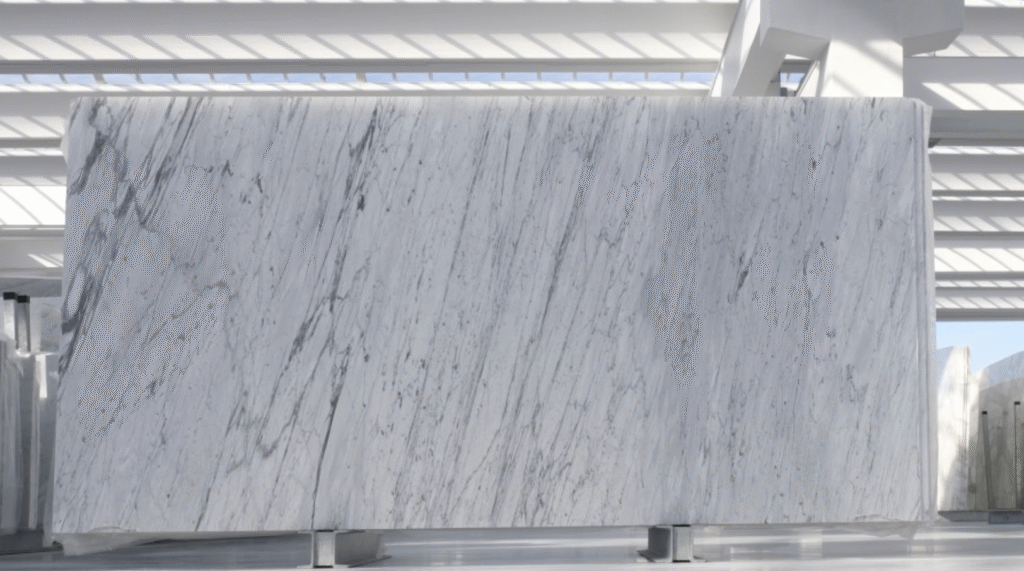
I still remember the first time I heard about kishangarh marble. It wasn’t from some fancy interior design magazine or a showroom guy in a blazer. It was from a contractor who looked permanently tired, chai in one hand, phone in the other, saying “bhaiya, Kishangarh ka maal alag hi hota hai.” At that time I didn’t even know Kishangarh was basically the marble capital of India. I thought marble just… existed. Like water or dust.
Turns out, marble has drama. And opinions. And Kishangarh is right in the middle of it.
People online love to argue about marble the same way they argue about Android vs iPhone. Scroll through Instagram reels or YouTube comments under house tour videos, and you’ll see stuff like “Italian is overrated” or “nothing beats Kishangarh finish if polished properly.” It’s chaotic but kinda fun.
Why Kishangarh Became the Marble Hub Everyone Talks About
Kishangarh isn’t hyped for no reason. There’s a legit ecosystem here. Hundreds of processing units, import hubs, traders, polishers, loaders, everyone doing their thing. Some random stat I read a while back said nearly 60 to 70 percent of India’s marble trade passes through this one town. That number surprised me honestly. One city handling that much stone? Wild.
It reminds me of how Surat is diamonds or how everyone associates Tiruppur with t-shirts. Kishangarh and marble just stuck together over time. Generations of traders learned which slabs age well, which crack under pressure, which look great in Instagram photos but turn yellow in 2 years. That kind of street-level knowledge doesn’t come from Google.
And yeah, kishangarh marble has this reputation now of being both premium-looking and practical, which is rare in building materials. Usually it’s either good-looking or budget-friendly, not both.
Marble Pricing Is Basically Like Buying Vegetables
This is where people mess up. They think marble prices are fixed. Nope. It’s more like buying tomatoes. One week it’s cheap, next week suddenly expensive, and nobody knows why. Import costs, fuel prices, demand from builders, weddings (yes weddings affect marble demand, long story), all of it plays a role.
I once saw two slabs that looked identical to me. Same color, same shine. Price difference was insane. The seller said one had “better veins.” I nodded like I understood. I did not. But later I learned veins matter the same way wood grain matters in furniture. Some people love uniform, some want natural patterns.
That’s why Kishangarh works. You can actually compare. Walk ten shops and you’ll see ten slightly different whites. That flexibility is gold.
Social Media Has Made Marble Weirdly Trendy
Didn’t expect to say this, but marble has an online fanbase now. Interior reels with captions like “POV: you chose Italian marble” get thousands of likes. And half the comments are people saying Kishangarh material gives the same vibe for less money.
There’s also this trend where influencers zoom into flooring like it’s a luxury watch. Slow pan. Soft music. Comments full of fire emojis. Somewhere in that comment section, someone always asks “price per sq ft?” and chaos follows.
A lot of these slabs actually come from Kishangarh warehouses, even if the reel doesn’t mention it. Branding game is strong there.
Quality Depends More on People Than the Stone Itself
Unpopular opinion maybe, but marble quality isn’t just about where it comes from. It’s about who cuts it, who polishes it, and who installs it. I’ve seen bad installation ruin expensive stone, and good craftsmanship make average slabs look premium.
Kishangarh has this advantage of skilled labor that’s been doing this for years. Some workers can tell by touching the slab whether it’ll hold polish or not. Sounds fake but I’ve seen it happen.
That’s why builders still trust kishangarh marble even when new materials keep popping up like quartz, tiles that look like marble, marble-look-everything. Trends come and go. Stone stays.
Real Talk About Maintenance Because Nobody Mentions This
Marble is high-maintenance. There, I said it. Anyone telling you otherwise is lying or selling something. Spills show up. Scratches happen. And if you’re the type who drops coffee daily, marble will remember that.
But Kishangarh marble, especially properly treated ones, age better. They don’t suddenly look sad after two years. Think of it like leather shoes. They need care, but they also develop character. Some people hate that. Some love it.
Also small fact most people don’t know, marble stays cooler than tiles. In Indian summers, that actually matters. Old houses used marble for a reason, not just aesthetics.
Buying From Kishangarh Feels Intimidating at First
I won’t lie. If you go there without homework, it’s overwhelming. So many godowns. So many sellers calling you “sir.” Everyone says their material is best. But once you slow down, ask dumb questions, touch the slabs, you start getting it.
Online platforms and showrooms linked to Kishangarh suppliers have made it easier now. You don’t always need to physically go there. But that raw marketplace energy is still unmatched.
At the end of the day, kishangarh marble isn’t just about flooring or walls. It’s about long-term decisions. You’re literally setting stone into your house. That’s kinda poetic if you think about it. Or maybe I’m overthinking marble again. Either way, if you’re choosing stone, Kishangarh will probably show up in your options whether you like it or not.