
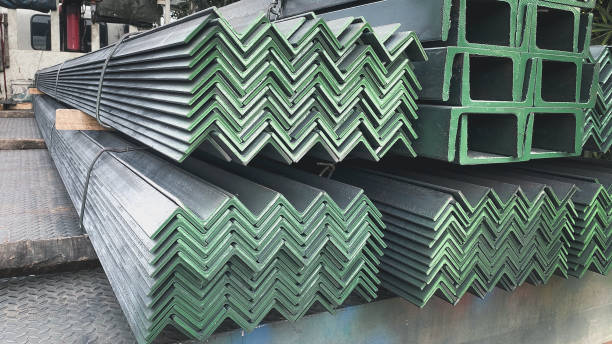
I still remember the first time I heard someone casually say Ms angle on a construction site. I nodded like I knew exactly what was going on, but honestly, I didn’t. I was new, barely a year into writing about steel products, and everything sounded the same back then. Beams, channels, flats, angles… felt like a giant metal soup. Over time though, this particular product started popping up everywhere. Warehouses, stair frames, small factories, even roadside hoardings. It’s one of those things you don’t notice until you suddenly do, and then you can’t unsee it.
That corner support feeling you don’t think about
Steel angles are kind of like the joints in your body. You don’t wake up appreciating your knees, but the day they hurt, your whole life changes. That’s how these angles work in structures. They sit quietly at corners, edges, frames, holding weight without drama. Most mild steel angles are L-shaped, which sounds basic, but that shape is doing serious work. It distributes load evenly, adds rigidity, and stops things from wobbling like a cheap table at a roadside café.
A lesser-known thing I picked up while talking to a fabricator once is how popular unequal angles are in small workshops. One side longer, one shorter, makes it easier to weld in tight spaces. Nobody really talks about that online, but offline, it’s common knowledge. Reddit threads and niche construction forums mention it occasionally, buried under arguments about steel prices and suppliers ghosting buyers.
Why builders keep going back to this stuff
Cost is the obvious reason, but not the only one. Mild steel angles are forgiving. You mess up a cut slightly, you can still adjust. Try that with something fancier and you’ll feel it in your wallet. I’ve seen Instagram reels where welders joke about how angles are the “backup friend” of fabrication. When the design changes last minute, angles come to the rescue.
There’s also this strange emotional trust people have in them. Sounds weird for steel, I know. But talk to any site supervisor who’s been around for 15–20 years, and they’ll tell you they sleep better knowing angles are used properly. They don’t crack easily, they don’t surprise you, and they behave well under stress. Kind of like that one employee who never asks for praise but keeps the whole office running.
From big factories to tiny roadside jobs
What surprised me most was how universal the usage is. Big industrial sheds obviously use them, but so do tiny shops setting up racks. I once watched a local electrician use steel angles to mount a heavy inverter rack because “it just feels safer.” No engineering degree involved, just instinct built from experience.
Online sentiment backs this up too. If you scroll through YouTube comments on fabrication videos, you’ll notice people casually recommending angles for DIY racks, gym equipment, even custom furniture. Pinterest is full of industrial-style tables using raw steel angles, and nobody even mentions the technical name anymore. It’s just assumed.
Grades, sizes, and the confusing part everyone pretends to understand
Here’s where even I mess up sometimes. Sizes, thickness, grades… it gets messy fast. ISA this, IS that. Most buyers just know what worked last time. That’s not laziness, it’s survival. Too much choice can freeze people. Mild steel angles come in equal and unequal sizes, different thicknesses, and depending on load requirements, one wrong choice can mean bending over time.
A niche stat I read somewhere, and don’t quote me perfectly, said nearly 60% of small fabrication errors happen because of incorrect angle thickness selection. That sounds believable to me. People underestimate load, especially in mezzanines or storage racks.
Weather, rust, and the Indian reality
Let’s be real. Weather matters. In humid or coastal areas, untreated steel angles can rust faster than you expect. I’ve seen Twitter threads complaining about cheap steel corroding within a year. The issue usually isn’t the angle itself, but surface treatment and storage. Galvanized options exist, but many skip them to save money upfront, then regret it later. Classic case of paying twice.
Where this all lands at the end of the day
At the end of most projects, when everything else feels chaotic, steel angles are the boring constant. No drama, no hype. Just there. And when people talk about reliability in steel, they’re often indirectly talking about MS angles even if they don’t say it out loud. In the last few months, I’ve noticed more chatter online about using them in modular structures and temporary setups, which makes sense with how fast construction timelines are moving.
I’ll admit, I used to think angles were the least interesting product to write about. Now I kind of like them. Maybe because they remind me of my early writing days. Not perfect, not flashy, but holding things together anyway. And honestly, if you’re choosing steel components for long-term stability, MS angles are one of those quiet decisions you probably won’t regret later.