
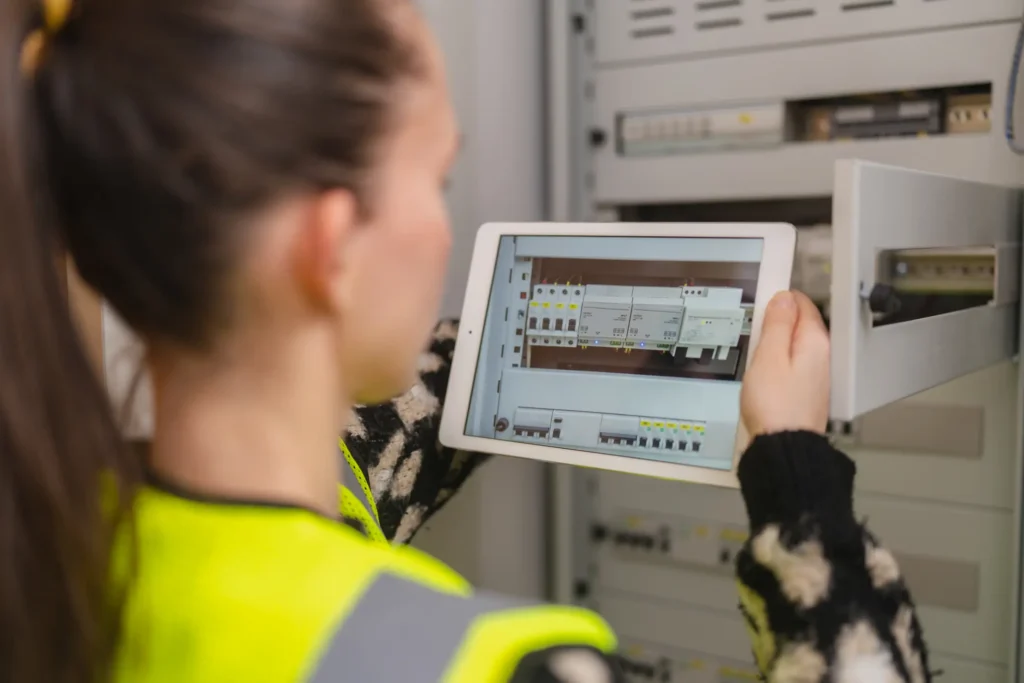
Your home should be a place of comfort and security—but hidden risks can develop over time without you even realizing it. From outdated electrical systems to overlooked fire hazards, small issues can quickly turn into serious problems if left unchecked. That’s where regular home safety inspections come in.
Whether you’re a homeowner, landlord, or property manager, taking a proactive approach to safety isn’t just smart—it’s essential for protecting both people and property.
What Is a Home Safety Inspection?
A home safety inspection is a comprehensive evaluation of a property’s critical systems and potential hazards. It goes beyond a standard home inspection by focusing specifically on safety risks that could impact occupants.
Areas Typically Evaluated
A thorough inspection may include:
- Electrical systems and wiring
- Smoke and carbon monoxide detectors
- Fire hazards and prevention systems
- Structural integrity (stairs, railings, flooring)
- Plumbing leaks or water damage risks
- Ventilation and air quality concerns
The goal is to identify vulnerabilities early so they can be addressed before they escalate into costly or dangerous situations.
Why Regular Inspections Matter
Many homeowners assume that if nothing looks wrong, everything must be fine. Unfortunately, some of the most serious hazards are hidden behind walls or develop gradually over time.
Preventing Electrical Hazards
Faulty wiring, overloaded circuits, and outdated panels are among the leading causes of residential fires. Regular inspections help catch these issues early, reducing the risk of electrical failure.
Protecting Your Family’s Health
Safety inspections also cover elements that impact indoor air quality and overall health. Poor ventilation, mold growth, or carbon monoxide leaks can pose serious risks if not detected.
Saving Money in the Long Run
Addressing minor issues early is far less expensive than dealing with major repairs or emergency situations. Preventative maintenance helps extend the life of your home’s systems and avoids unexpected costs.
Key Benefits of Professional Inspections
While some homeowners attempt DIY safety checks, professional inspections provide a deeper level of expertise and accuracy.
What Professionals Bring to the Table
- Trained eye for hidden risks
- Up-to-date knowledge of safety codes and standards
- Specialized tools for accurate diagnostics
- Clear recommendations for improvements
Working with experts ensures nothing is overlooked and that your home meets current safety expectations.
For homeowners looking to take a proactive approach, scheduling routine home safety inspections San Jose can provide valuable insight into potential risks and necessary upgrades—helping you maintain a secure living environment.
When Should You Schedule an Inspection?
There’s no one-size-fits-all answer, but certain situations make inspections especially important.
Ideal Times to Book a Safety Check
- Before buying or selling a home
- After major renovations or upgrades
- If your home is over 10–15 years old
- When adding new appliances or systems
- If you notice warning signs like flickering lights or unusual odors
Regular inspections—every few years—can help ensure your home remains safe as systems age and conditions change.
Common Safety Issues Found in Homes
Understanding what inspectors typically uncover can help you stay more aware of potential risks.
Frequently Identified Problems
- Outdated electrical panels or wiring
- Missing or non-functioning smoke detectors
- Improper grounding or overloaded circuits
- Loose handrails or unsafe staircases
- Water leaks leading to structural damage
- Poor ventilation in attics or crawl spaces
Many of these issues develop gradually, which is why routine checks are so important.
Simple Steps to Improve Home Safety Between Inspections
While professional inspections are essential, homeowners can also take everyday steps to reduce risks.
Quick Safety Tips
- Test smoke and carbon monoxide detectors monthly
- Avoid overloading electrical outlets
- Keep flammable materials away from heat sources
- Inspect cords and appliances for wear and tear
- Ensure clear pathways for emergency exits
These small actions, combined with periodic professional evaluations, create a strong foundation for home safety.
Conclusion
A safe home doesn’t happen by accident—it requires attention, awareness, and regular evaluation. Home safety inspections provide peace of mind by identifying risks before they become serious threats. They also empower homeowners to make informed decisions about maintenance and upgrades.
By staying proactive and addressing potential hazards early, you can protect your investment and, more importantly, the people who live within it. Making safety a priority today ensures a more secure and comfortable home for years to come