
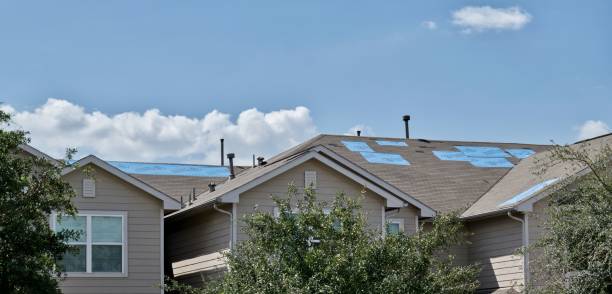
Managing a homeowners association comes with a long list of responsibilities, and roofing is one of the most important. In Los Angeles, roofs endure constant exposure to sunlight, seasonal temperature changes, occasional heavy rain, and environmental debris. For HOA boards and property managers, waiting until a roofing issue becomes visible can quickly lead to expensive repairs, resident complaints, and avoidable disruptions.
A proactive approach to roof maintenance and replacement helps HOA communities protect property values, extend the lifespan of roofing systems, and create a more comfortable living environment for residents. By understanding the unique challenges that multifamily communities face, HOA leaders can make smarter decisions that reduce long-term costs while improving overall property performance.
The Unique Roofing Challenges HOAs Face
Unlike single-family homes, HOA communities often oversee multiple buildings, shared structures, and complex maintenance schedules. This creates a different level of responsibility when roofing issues arise.
Some of the most common roofing challenges in HOA communities include:
- Coordinating repairs across multiple units
- Minimizing disruptions for residents
- Managing roofing budgets and reserve funds
- Ensuring compliance with local regulations
- Addressing weather-related wear and tear
- Maintaining visual consistency across the property
- Communicating timelines and updates effectively
In Los Angeles, UV exposure is one of the biggest contributors to roof deterioration. Over time, constant sun exposure can weaken roofing materials, cause cracking, and reduce energy efficiency. Flat roofs, tile systems, and aging shingles all require routine inspections to prevent larger structural issues.
For HOA boards, proactive planning is often far more cost-effective than emergency response.
Why Preventative Maintenance Saves Money
One of the biggest mistakes HOA communities make is postponing roof inspections or delaying repairs until leaks appear. Unfortunately, by the time interior water damage becomes noticeable, the roofing problem may already be extensive.
Preventative maintenance allows property managers to identify small issues before they escalate into larger and more expensive repairs.
Common Preventative Maintenance Tasks
Routine roofing maintenance often includes:
- Clearing debris from drains and gutters
- Inspecting flashing and seals
- Checking for ponding water on flat roofs
- Identifying cracked or damaged tiles
- Examining ventilation systems
- Monitoring roof membrane wear
- Evaluating storm or wind damage
Consistent inspections also help HOA boards maintain accurate reserve studies and budget forecasts. Instead of facing sudden replacement costs, communities can plan ahead and allocate resources more effectively.
Long-term planning is especially important in larger multifamily developments where roofing projects may need to be phased over several years.
Communication Is Critical During Roofing Projects
Roofing projects in HOA communities affect many residents at once. Noise, parking adjustments, restricted access areas, and temporary disruptions can all create frustration if communication is unclear.
Successful HOA roofing projects usually involve:
- Early resident notifications
- Clearly defined project timelines
- Transparent budgeting discussions
- Regular project updates
- Safety planning for shared spaces
- Dedicated points of contact for questions
Residents are more likely to remain cooperative when they understand why the work is necessary and how long it will take.
Property managers should also document inspections, contractor recommendations, and maintenance schedules carefully. Organized records help support future planning and may reduce disputes related to maintenance responsibilities.
Choosing the Right Roofing Partner
Selecting the right roofing contractor is one of the most important decisions an HOA board can make. Large-scale community roofing projects require experience, coordination, and an understanding of multifamily property needs.
An experienced contractor should be able to:
- Conduct comprehensive roof assessments
- Provide detailed project scopes
- Work efficiently around occupied buildings
- Follow local building codes
- Recommend materials suited for Southern California climates
- Offer realistic timelines and maintenance recommendations
For HOA communities seeking guidance on large-scale roofing projects, maintenance planning, and property-wide assessments, many property managers research providers specializing in HOA roofing services in Los Angeles to better understand available solutions and long-term roofing strategies.
Material Selection Matters in Southern California
Not all roofing materials perform equally in Los Angeles conditions. HOA communities must balance appearance, durability, maintenance needs, and energy efficiency when choosing roofing systems.
Popular Roofing Options for HOA Properties
Tile Roofing
Tile roofs remain popular throughout Southern California because of their durability and aesthetic appeal. Clay and concrete tiles can withstand significant sun exposure while complementing Mediterranean and Spanish-style architecture commonly found in Los Angeles communities.
Flat Roofing Systems
Many condominium complexes and multifamily buildings use flat or low-slope roofing systems. These roofs require careful drainage management and regular inspections to avoid water intrusion.
Cool Roof Systems
Cool roofing materials reflect more sunlight and absorb less heat, helping reduce indoor temperatures and energy usage. These systems can be especially beneficial in warmer Los Angeles neighborhoods.
Asphalt Shingles
While shingles are common in smaller HOA communities, material quality and proper installation play major roles in lifespan and performance.
The best roofing material often depends on the age of the property, architectural style, maintenance budget, and long-term community goals.
The Importance of Reserve Planning
Reserve studies are essential for HOA financial health, especially when major roofing systems are involved.
Roof replacements represent one of the largest capital expenses many associations will face. Without proper reserve planning, communities may need to impose special assessments or delay necessary projects.
Strong reserve planning helps HOA communities:
- Avoid financial surprises
- Spread costs over time
- Prioritize maintenance projects
- Improve long-term budgeting accuracy
- Maintain property values
- Increase resident confidence in association management
Roof inspections and condition assessments provide valuable data that support realistic reserve forecasting.
Energy Efficiency and Resident Comfort
Modern roofing systems do more than simply protect buildings from rain. They also influence indoor comfort, ventilation, and energy efficiency.
Poorly maintained roofs can contribute to:
- Higher cooling costs
- Inconsistent indoor temperatures
- Moisture problems
- Reduced insulation performance
- Premature structural wear
In warm climates like Los Angeles, energy-efficient roofing systems may help reduce strain on HVAC systems while improving overall building performance.
Communities that invest in roofing upgrades often experience benefits beyond appearance alone. Improved efficiency, fewer maintenance emergencies, and increased resident satisfaction all contribute to stronger long-term property management outcomes.
Planning Ahead Creates Stronger Communities
HOA boards have a difficult job balancing budgets, maintenance needs, and resident expectations. Roofing projects can feel overwhelming without proper planning, especially in larger communities.
However, proactive maintenance, clear communication, and thoughtful contractor selection can significantly reduce stress throughout the process.
Communities that prioritize roof health are often better positioned to avoid emergency repairs, preserve property values, and create safer living environments for residents. In a climate like Los Angeles, where roofing systems endure year-round exposure to sun and environmental wear, long-term planning remains one of the smartest investments an HOA can make.
By taking a strategic approach to inspections, budgeting, and maintenance, HOA communities can extend roof lifespan, improve operational efficiency, and support a stronger future for both residents and property managers alike.