
When we audit the various components that dictate the operating costs and general comfort of a modern household, our attention naturally falls on the assets we can directly see and interact with daily. We look at high-efficiency windows designed to repel intense seasonal heat, check the weatherstripping around exterior doors, and purchase smart thermostats to meticulously program our temperature drops. Yet, the sprawling, complex structural network that actually carries that treated air to our living spaces remains entirely out of sight, woven through framing gaps, crawlspaces, and wall cavities.
A residential ventilation grid serves as the primary infrastructure for your indoor climate. This system accepts the raw thermal energy generated by your central heating or cooling units and moves it uniformly across your bedrooms, home offices, and common spaces. Because this network of sheet metal and flexible duct lines is completely enclosed within the framework of the building, it easily falls into a state of neglect.
Leaving these internal transit pathways unmonitored allows environmental debris to slowly gather along their surfaces over months and years. This build-up creates an invisible, continuous resistance that degrades both mechanical performance and indoor air quality. Demystifying how air moves through your home is the first step toward achieving true structural hygiene and long-term energy efficiency.
The Accumulation Calculus Within Enclosed Air Paths
To understand why a home’s internal air channels require periodic remediation, it is useful to evaluate the massive volume of air processed by a standard climate control system. On a daily basis, an HVAC system continuously extracts thousands of cubic feet of air from your living spaces, treats it to establish the desired temperature, and forces it back into your rooms. This perpetual loop exposes the internal surfaces of the system to every single particle suspended within the household envelope.
Daily residential activity introduces a dense mix of microscopic matter into the air stream. Microscopic skin cells, pet dander, fragmented clothing fibers, outdoor allergens brought inside on footwear, and vaporized cooking oils constantly drift through the rooms. While standard fibrous return filters are engineered to intercept the largest and heaviest of these traveling elements, the fine, ultra-light ambient dust easily bypasses standard filtration barriers.
Over years of uninterrupted cycles, these fine particles begin to settle out of the airstream, attaching themselves to the floors, corners, and turning vanes of the duct branches. This accumulation follows predictable fluid dynamics, depositing heavier layers in zones where the velocity of the air drops or where a directional change creates turbulence.
Once this layer forms a structural crust inside the dark environment of your walls, it ceases to be a static deposit. The sudden mechanical shock wave generated each time the system fan kicks on breaks loose the dry, top layer of dust. This process repeatedly introduces historical contaminants back into your immediate breathing zones, establishing a cycle of re-exposure that can easily turn a home into a source of chronic, low-grade upper respiratory irritation.
Static Pressure Strain and the Financial Toll of Friction
The negative consequences of leaving historical debris to gather inside your home’s ventilation lines extend far beyond the purity of the air passing through your rooms. There is a direct, mathematical correlation between the clean, smooth state of these distribution channels and the mechanical lifespan of your primary climate control units.
Residential heating and cooling systems are engineered to function within highly specific aerodynamic tolerances. They depend on maintaining a balanced level of static pressure to move air efficiently across long distances. When the interior metal or flexible walls of your ductwork become coated with a thick, velvety blanket of dust, the surface texture transitions from low-resistance metal to a high-friction obstacle.
This surface roughness acts as a drag on the moving air mass, actively reducing its velocity. To overcome this friction and deliver the required volume of thermal comfort to individual rooms, the system’s blower motor must draw more power and run for significantly extended operational cycles.
Furthermore, this fine dust eventually migrates backward into the delicate internal components of the air handler itself. When a layer of household grime settles onto the intricate fins of an evaporator coil or clings to the curved blades of a blower wheel, it functions as an insulating jacket. This barrier restricts efficient heat exchange, forcing the entire mechanical system to burn more electricity or fuel while accelerating the physical degradation of expensive compressors and heat exchangers, ultimately driving up utility costs and forcing a premature replacement of the equipment.
Deciphering the House Clues of Ventilation Overload
Because you cannot easily peek inside your home’s structural framing without specialized diagnostic cameras, you must learn to identify the secondary indicators that your ventilation infrastructure is overloaded.
A highly visible sign can be found by evaluating the immediate perimeter of your supply registers. If you observe dark, smudged halos or wisps of dust gathering on the drywall or ceiling directly surrounding the metal vents, it serves as a definitive warning that the air leaving those branches is heavily saturated with particulate matter.
Another common warning sign is an endless, frustrating battle against surface dust. If you find yourself wiping a fresh layer of gray film off your tabletops, electronics, and shelving just forty-eight hours after performing a comprehensive house cleaning, your ventilation system has likely shifted from a passive conduit into an active particulate distributor.
Property owners should also pay close attention to distinct thermal variances between rooms. If an individual bedroom, home office, or upper floor remains stubbornly stuffy or drafty regardless of vent positioning, a substantial internal blockage or a collapsed internal insulation liner within that specific run may be strangling the airflow before it can reach its destination.
Restoring Balance Through Specialized Negative-Pressure Extraction
When a property owner uncovers the sheer volume of organic debris that can hide inside their home’s framework, the initial reaction is frequently to attempt a quick DIY remedy. This usually involves removing the vent grilles and using a standard consumer shop vacuum or an extended brush to reach as far into the line as possible.
While this action is well-intentioned, it almost always creates a worse scenario. Consumer-grade vacuums do not possess the immense static lift or the specialized multi-stage filtration required to capture and contain fine duct particulate. Agitating the settled debris without a complete containment barrier simply serves to atomize the dust, allowing it to escape the vent openings and flood the living space, drastically reducing immediate indoor air quality.
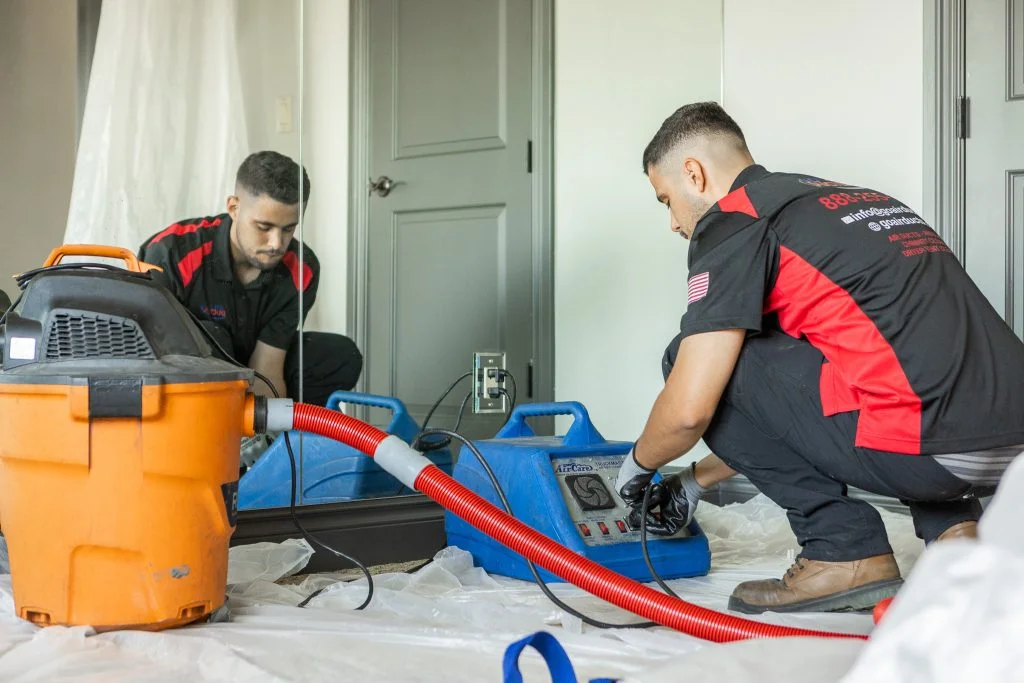
True structural restoration requires a methodical approach executed with heavy-duty commercial extraction platforms. Trained technicians utilize truck-mounted vacuum systems that tie directly into the primary trunk lines of your HVAC system, placing the entire network under intense negative pressure. As specialized pneumatic whips and air brushes travel through the interior lines to dislodge caked-on buildup, the vacuum force instantly draws the material completely out of the living space and into a secure collection containment tank outside the property.
When mapping out a long-term maintenance plan for your property, relying on verified specialists ensures that your structural infrastructure is handled with complete safety and technical accuracy. To explore consumer experiences, discover details regarding our professional standards, or Hear more about us, connecting with experienced ventilation providers helps you make informed choices that safeguard your property asset.
Sustaining the Structural Integrity of Your Airway Grid
Once your home’s internal airways have been professionally remediated and returned to their factory baseline, preserving that clean environment is highly manageable. The single most impactful routine you can establish is to replace your central air filters on a strict, predictable schedule based entirely on your specific household footprint, particularly if you share your living space with pets.
Additionally, keeping your return air grilles clear of bulky furniture obstructions and lowering general dust levels through consistent cleaning will prevent rapid re-accumulation within the walls. By taking a proactive stance on the hidden pathways that distribute your indoor climate, you protect your physical health, lower your monthly energy overhead, and secure a more sustainable, comfortable domestic environment for your family.