
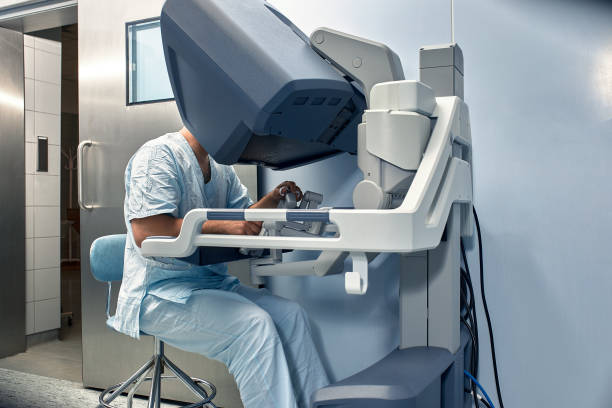
Medical technology has transformed the way surgeries are performed, making procedures safer, more precise, and less invasive than ever before. Among the most significant advancements in modern surgery is Da Vinci Robotic Surgery, an innovative robotic-assisted surgical system that enables surgeons to perform complex operations with exceptional precision. Unlike traditional open surgery, this technology allows procedures to be completed through small incisions, leading to faster recovery, reduced pain, and improved patient outcomes.
At <a href=”https://int.livhospital.com/”>Liv Hospital</a>, patients have access to advanced robotic surgical technologies and experienced multidisciplinary teams that provide personalized treatment across various medical specialties.
What Is Da Vinci Robotic Surgery?
Da Vinci Robotic Surgery is a minimally invasive surgical technique in which the surgeon controls robotic arms from a specialized console. Contrary to common belief, the robot does not perform the surgery independently. Every movement is directed by the surgeon in real time, with the robotic system translating hand movements into highly precise micro-movements.
The Da Vinci system enhances surgical accuracy through:
- High-definition 3D visualization
- Wristed robotic instruments with exceptional flexibility
- Motion scaling for improved precision
- Tremor filtration to eliminate unintended hand movements
- Better access to difficult-to-reach anatomical areas
These capabilities enable surgeons to perform delicate procedures that may be more challenging using conventional surgical techniques.
How Does the Da Vinci Surgical System Work?
The robotic surgical platform consists of three primary components:
1. Surgeon Console
The surgeon sits comfortably at a console, viewing the surgical site through a magnified three-dimensional display while controlling the robotic instruments.
2. Patient Cart
The robotic arms are positioned beside the patient and hold the surgical instruments and camera.
3. Vision System
A high-definition 3D camera provides a detailed, magnified view of the operative field, allowing the surgeon to visualize fine anatomical structures with remarkable clarity.
Every movement of the robotic arms mirrors the surgeon’s hand movements with exceptional precision.
Benefits of Da Vinci Robotic Surgery
Robotic-assisted surgery offers numerous advantages over traditional open surgery and, in selected procedures, may provide additional benefits compared with conventional laparoscopy.
Greater Surgical Precision
Robotic instruments provide multiple degrees of freedom, allowing surgeons to perform intricate movements that closely mimic the natural motion of the human wrist.
Smaller Incisions
Most procedures require only small incisions, reducing tissue damage and minimizing visible scarring.
Reduced Blood Loss
Greater precision often leads to less bleeding during surgery.
Lower Risk of Infection
Smaller surgical wounds reduce the likelihood of postoperative infections.
Less Pain
Patients generally experience less discomfort after minimally invasive procedures.
Faster Recovery
Many patients return to their normal daily activities sooner than after traditional open surgery.
Shorter Hospital Stay
Hospitalization is often significantly reduced, improving patient convenience and lowering healthcare costs.
Conditions Treated with Da Vinci Robotic Surgery
Robotic surgery is used across numerous medical specialties.
Urology
- Prostate cancer
- Kidney tumors
- Benign prostate enlargement
- Urinary tract reconstruction
General Surgery
- Hernia repair
- Colorectal surgery
- Gallbladder surgery
- Thyroid surgery
Gynecology
- Hysterectomy
- Myomectomy
- Ovarian cyst removal
- Endometriosis treatment
Thoracic Surgery
- Lung tumor removal
- Mediastinal procedures
Cardiovascular Surgery
- Heart valve repair
- Selected minimally invasive cardiac procedures
Ear, Nose, and Throat (ENT)
- Tumor removal through the mouth
- Complex head and neck procedures
The suitability of robotic surgery depends on the patient’s condition, anatomy, and the surgeon’s clinical assessment.
Da Vinci SP vs. Traditional Laparoscopic Surgery
While both robotic and laparoscopic surgeries are minimally invasive, there are important differences between the two approaches.
For a detailed comparison, read <a href=”https://int.livhospital.com/da-vinci-sp-vs-laparoscopic-surgery”>Da Vinci Robotic Surgery vs. Laparoscopic Surgery</a>.
Some key differences include:
| Feature | Da Vinci Robotic Surgery | Laparoscopic Surgery |
|---|---|---|
| Visualization | 3D HD magnified view | Usually 2D camera |
| Instrument Movement | Wrist-like articulation | Rigid instruments |
| Surgeon Precision | Motion scaling and tremor filtration | Manual control |
| Ergonomics | Surgeon operates from console | Surgeon stands throughout procedure |
| Access to Narrow Spaces | Excellent | More limited |
Both techniques are effective, and the choice depends on the procedure and the patient’s individual needs.
Who Is a Candidate for Da Vinci Robotic Surgery?
Patients may benefit from robotic-assisted surgery if they:
- Require complex minimally invasive surgery
- Want faster recovery
- Prefer smaller incisions
- Are suitable candidates based on their medical history
- Have conditions that can be safely treated using robotic technology
A comprehensive medical evaluation determines whether robotic surgery is the best option.
What to Expect Before Surgery
Before the procedure, patients typically undergo:
- Physical examination
- Blood tests
- Imaging studies
- Anesthesia assessment
- Discussion of treatment options and expected outcomes
The healthcare team also explains preoperative instructions, including fasting and medication management.
During the Procedure
On the day of surgery:
- The patient receives general anesthesia.
- Small incisions are created.
- Robotic instruments and a high-definition camera are inserted.
- The surgeon performs the operation using the robotic console.
- The instruments are removed, and the incisions are closed.
The duration of surgery varies depending on the complexity of the procedure.
Recovery After Robotic Surgery
Recovery is generally quicker than with traditional open surgery.
Most patients experience:
- Less postoperative pain
- Earlier walking and mobility
- Faster return to eating
- Shorter hospitalization
- Earlier return to work and daily activities
Recovery time depends on the type of surgery performed and the patient’s overall health.
Are There Any Risks?
Like any surgical procedure, robotic surgery carries potential risks, including:
- Bleeding
- Infection
- Blood clots
- Anesthesia-related complications
- Injury to surrounding organs
However, experienced surgical teams follow strict safety protocols to minimize these risks.
Why Choose Liv Hospital for Da Vinci Robotic Surgery?
Choosing the right medical center is essential for achieving the best surgical outcomes.
Liv Hospital offers:
- Experienced robotic surgeons
- Advanced Da Vinci surgical technology
- Multidisciplinary treatment planning
- Personalized patient care
- International patient services
- Modern operating rooms and recovery facilities
The hospital combines cutting-edge technology with expert clinical care to deliver high-quality surgical treatment.
Frequently Asked Questions
Is Da Vinci Robotic Surgery safe?
Yes. When performed by trained surgeons, robotic-assisted surgery is considered a safe and effective option for many complex procedures.
Is the robot performing the surgery?
No. The surgeon controls every movement of the robotic system throughout the operation.
Is robotic surgery better than traditional surgery?
For many procedures, robotic surgery offers benefits such as smaller incisions, reduced pain, and faster recovery. However, the most appropriate surgical approach depends on each patient’s condition.
How long is the recovery period?
Many patients recover faster than with open surgery, although recovery time varies based on the procedure performed and individual health factors.
Will I have visible scars?
Because robotic surgery uses very small incisions, scarring is usually minimal compared to traditional open surgery.
Conclusion
Da Vinci Robotic Surgery represents a major advancement in modern surgical care, offering enhanced precision, improved visualization, and minimally invasive treatment for a wide range of medical conditions. By combining innovative robotic technology with the expertise of skilled surgeons, patients can benefit from safer procedures, shorter hospital stays, reduced pain, and quicker recovery.