
Preparedness planning for families with children is fundamentally different from individual or adult-couple preparedness in ways that go beyond simply adding more food and water to the supply cache. Children have different physiological vulnerabilities, different psychological responses to stress and disruption, different physical capabilities, and different developmental needs that must be specifically addressed in any family emergency plan. A plan designed for capable adults that simply scales down for children will fail in the moments that matter.
This guide addresses family preparedness systematically, with specific attention to the ways children’s needs shape planning decisions at every level, from the supplies you stock to the communication protocols you establish to the way you practice and talk about emergency scenarios.
How Children Experience Emergencies Differently
Children are not small adults in their emergency response. Physiologically, they are more vulnerable to dehydration because they have a higher surface-area-to-volume ratio and lose fluid more rapidly than adults. They are more vulnerable to hypothermia for the same reason. Their immune systems are less mature, making them more susceptible to waterborne illness from contaminated water sources. They are more vulnerable to inhalation hazards from smoke and toxic air because they breathe more rapidly and their lungs are still developing.
Psychologically, children process traumatic events through a developmental lens that varies significantly by age. Very young children pick up on caregiver anxiety even when they do not understand the situation and need physical closeness and calm routine above all else. School-age children need honest, age-appropriate information to prevent anxiety-amplifying imagination from filling information gaps with worst-case scenarios. Teenagers need to feel useful and involved rather than protected from information, and may become more resistant to following protocols they had no role in creating.
Age-Specific Preparedness ConsiderationsInfants and Toddlers (0 to 3 years)
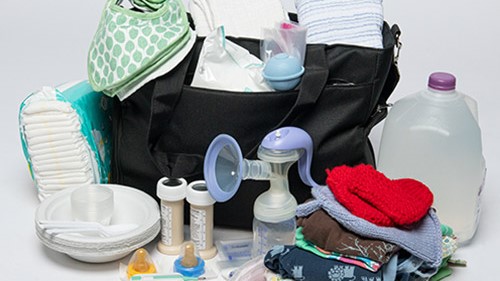
Infant preparedness requires specific supplies that adults do not need: formula if not breastfeeding, in quantities sufficient for extended disruption; diapers and diaper rash supplies; age-appropriate food if the child has started solids; a portable sleep environment; and any comfort objects that support sleep and emotional regulation. Infants cannot regulate their own temperature and need active thermal management in both heat and cold. Car seat considerations affect vehicle evacuation planning. If the infant is breastfeeding, maternal nutrition and hydration directly affect milk supply, so maternal emergency nutrition planning is also infant care planning.
Young Children (4 to 10 years)
This age group benefits significantly from age-appropriate emergency education delivered before any emergency occurs. Children who know what certain alarms mean, where the family meeting points are, and what to do if they are separated from adults at home or at school are measurably less likely to freeze or panic during an actual event. Practice fire drills at home. Teach them to dial emergency services. Give them a laminated card with family contact information and the family meeting points. Frame these conversations in calm, empowering terms rather than frightening ones.
Tweens and Teenagers (11 to 17 years)
Older children and teenagers can be active participants in family preparedness rather than passive subjects of adult planning. Involve them in assembling supplies, planning routes, and practicing procedures. Teach them the same first aid and communication skills you use yourself. A teenager who knows how to apply a tourniquet, treat a burn, and navigate without GPS is an asset in a family emergency rather than an additional dependent. Their buy-in to the family plan is also significantly higher when they helped create it.
Family Emergency Communication Plan
Children spend significant portions of their day in locations separated from their parents: school, childcare, after-school activities, friends’ homes. A family communication plan needs to address these separated scenarios specifically. Know your children’s school emergency protocols and how you will receive information and reunite with them during a school-based emergency. Establish a consistent family meeting point and a backup. Ensure that teachers, coaches, and caregivers know your plan and emergency contact information.
For older children with phones, establish a protocol for checking in during emergencies including a specific message to send when they are safe that does not require a voice call and uses minimal data. Text messages often go through when voice calls cannot during network congestion.
Building Child-Appropriate Emergency Kits
Each child who is old enough to carry a pack should have their own age-appropriate emergency supplies, sized and weighted to their physical capability. A school-age child can carry a small pack with water, snacks, a comfort item, their contact card, and a basic first aid supply without the load being burdensome. A teenager can carry a near-adult-weight bug out bag with full 72-hour supplies. Having children pack and own their own emergency kit also gives them a sense of agency and participation that reduces anxiety and builds confidence. Review and repack these kits together semi-annually, using it as a low-stakes conversation opportunity about emergency preparedness that normalizes readiness without creating fear.
Psychological Preparedness and Resilience
The psychological preparation of children for emergencies is as important as the physical preparation and receives far less attention in most preparedness literature. Children who have a framework for understanding emergencies, who have practiced responses to common scenarios, and who have a sense of their own competence in difficult situations are measurably more resilient when actual events occur.
Avoid two opposite errors in discussing emergency preparedness with children: avoiding the topic entirely, which leaves children without frameworks and increases anxiety, and dwelling on catastrophic scenarios that amplify fear without building capability. The goal is practical competence delivered in calm, confident tones that communicates: emergencies sometimes happen, our family has a plan, here is your role in that plan, and we have practiced it together.
Special Medical Needs in Children
Children with chronic medical conditions, asthma, diabetes, severe allergies, seizure disorders, or other ongoing health needs require preparedness planning that specifically addresses medication supply, equipment needs, and the management of their condition under stress. Maintain at minimum a 30-day supply of all critical medications and review expiration dates regularly. Know how the stress of an emergency event may affect your child’s condition and what early intervention looks like. Have written medical summary documentation, including diagnoses, medications and dosages, allergies, and physician contact information, in your emergency kit and in a format that emergency responders can use if you are not available.