
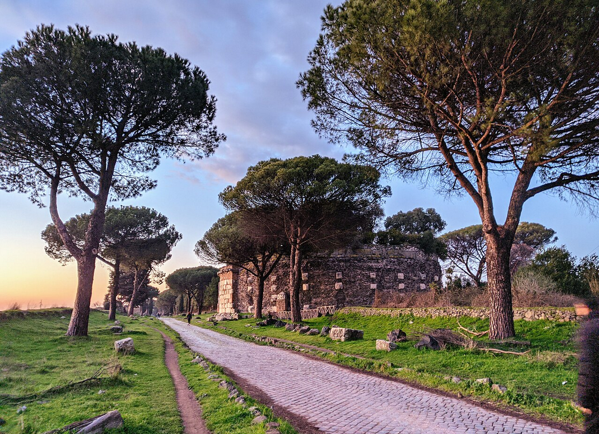
When most people dream of visiting Rome, they picture the Colosseum, the Vatican, and the Trevi Fountain. While these landmarks are undeniably iconic, the Eternal City holds treasures far beyond the crowded piazzas and tourist hotspots. One of Rome’s most fascinating yet often overlooked experiences is walking along the Rome Appian Way—an ancient road that once stretched across the Roman Empire.
Known as the “Regina Viarum” or “Queen of Roads,” the Appian Way was Rome’s first and most important military and economic highway. Today, it offers travelers a unique journey back in time, lined with ruins, catacombs, aqueducts, and countryside landscapes that feel worlds away from the city center.
At Catacomb Tickets and Tours, we specialize in connecting travelers to historic sites like the Rome Appian Way, helping them explore its hidden wonders through guided tours and ticketed experiences. Just as the Catacombs of Paris reveal a subterranean history, the Appian Way uncovers a Roman world that shaped Western civilization.
In this guide, we’ll walk you through the history, highlights, and secrets of the Appian Way—and explain why it truly is Rome’s hidden gem.
The History of the Rome Appian Way
The Rome Appian Way dates back to 312 BC, when it was commissioned by the censor Appius Claudius Caecus. Originally designed as a military road to transport troops and supplies to the southern territories of Italy, it soon became a lifeline of trade, politics, and culture.
Stretching from Rome to Brindisi, a key port in southeast Italy, the Appian Way connected the heart of the Roman Republic with its far-reaching provinces. Over centuries, it witnessed everything from triumphant military processions to the footsteps of early Christians traveling in secrecy.
The road was built with remarkable engineering skill—massive basalt stones fitted together so tightly that many sections are still intact today. Walking on these ancient cobblestones is not just a stroll—it’s a step into the living history of the Roman Empire.
Why the Appian Way is Rome’s Hidden Gem
While tourists flock to the Colosseum, the Appian Way remains relatively tranquil. Here’s why it’s considered one of Rome’s best-kept secrets:
- Escape the Crowds – Unlike the bustling city center, the Appian Way offers peaceful countryside landscapes, dotted with cypress trees and rolling fields.
- Immersive History – Every mile is lined with ancient tombs, aqueducts, catacombs, and ruins that tell Rome’s story.
- Authentic Roman Experience – This road is where Roman generals, senators, and citizens once walked.
- Perfect for Walking or Cycling – The Appian Way offers a unique combination of history and nature, making it ideal for leisurely exploration.
Just as travelers in Florence discover hidden trattorias on Florence food tours, exploring the Rome Appian Way introduces you to a side of Rome most visitors miss.
Highlights Along the Rome Appian Way
A walk along the Appian Way is like opening a time capsule. Here are the must-see sites you’ll encounter along the journey:
- Porta San Sebastiano
The Appian Way begins at Porta San Sebastiano, one of the largest gates in the Aurelian Walls. This massive stone gate once protected Rome from invaders, and today it marks the entrance to your adventure. Inside, the Museum of the Walls offers insight into the city’s ancient defenses.
- The Catacombs of Rome
Perhaps the most famous sites along the Appian Way are the Christian Catacombs, including:
- Catacombs of San Sebastiano – An extensive underground cemetery where early Christians buried their dead in secret.
- Catacombs of San Callisto – Known for their papal tombs and frescoes, these catacombs are some of the most historically significant.
- Catacombs of Domitilla – Spanning over 15 kilometers, they are among the oldest and largest catacombs in Rome.
Visiting these catacombs requires tickets and guided tours—something we at Catacomb Tickets and Tours specialize in organizing. The stories of faith, persecution, and resilience found here make the Appian Way an unforgettable journey.
- The Circus of Maxentius
Built in the 4th century AD, the Circus of Maxentius was once a grand chariot-racing stadium. Although it’s not as famous as the Circus Maximus, it remains remarkably well preserved. Walking its grounds gives you a sense of the grandeur and spectacle of Roman entertainment.
- Mausoleum of Cecilia Metella
This imposing round tomb dates back to the 1st century BC and was built for Cecilia Metella, the daughter of a Roman consul. Its sheer size and longevity make it one of the most striking landmarks along the Appian Way.
- Ancient Villas and Aqueducts
The Rome Appian Way is lined with ruins of ancient villas, once belonging to senators and aristocrats. You’ll also spot sections of aqueducts that once carried water into the city. Together, they paint a vivid picture of Rome’s grandeur.
Experiencing the Appian Way: Walking vs Cycling
The Appian Way stretches for miles, and you can explore it in different ways:
- Walking – Ideal for slow, immersive exploration where you can stop at ruins, catacombs, and quiet spots.
- Cycling – Many tours offer bike rentals, allowing you to cover more ground while still enjoying the landscape.
- Guided Tours – With a professional guide, you’ll uncover stories and access sites that you’d miss on your own.
At Catacomb Tickets and Tours, we recommend guided experiences to make the most of your journey. Just as Florence food tours give context to every bite, Rome Appian Way tours enrich every stone and ruin with historical meaning.
Insider Tips for Visiting the Rome Appian Way
- Start Early – The road is long, so give yourself time to explore.
- Wear Comfortable Shoes – The ancient cobblestones are uneven, so sturdy footwear is a must.
- Bring Water and Snacks – There are limited stops for refreshments.
- Respect the Catacombs – These are sacred burial sites; quiet reflection is encouraged.
- Book Tickets in Advance – Catacombs and certain sites require ticketed entry and often sell out.
Rome Appian Way vs. City Center Attractions
Many travelers ask whether it’s worth leaving central Rome for the Appian Way. The answer is a resounding yes. Here’s why:
- City Center – Crowded, vibrant, and filled with iconic monuments.
- Rome Appian Way – Peaceful, historical, and authentic, with fewer crowds.
Both are essential, but the Appian Way offers a deeper, more personal connection with Rome’s history.
Why Choose Catacomb Tickets and Tours
At Catacomb Tickets and Tours, we believe the Rome Appian Way is one of the most rewarding experiences in the Eternal City. Our tours provide:
- Skip-the-Line Access – Avoid long waits at catacombs.
- Expert Guides – Learn stories, legends, and history you won’t find in guidebooks.
- Exclusive Access – Some tours include restricted areas of catacombs or private paths.
- Seamless Planning – We handle the tickets, schedules, and logistics so you can focus on the journey.
Much like how Florence food tours reveal the soul of Tuscany through cuisine, our Appian Way tours bring Rome’s hidden history to life.
Conclusion
The Rome Appian Way is more than an ancient road—it’s a living museum of Roman history, faith, and culture. Walking or cycling its cobblestones allows you to experience the Eternal City in a way most tourists never do. From Christian catacombs and ancient villas to aqueducts and tombs, every step tells a story.
At Catacomb Tickets and Tours, we are dedicated to helping you uncover these stories with guided tours, exclusive access, and unforgettable experiences. If you want to see Rome beyond its crowded piazzas and monuments, the Appian Way is your gateway to the city’s timeless soul.
Take the road less traveled—walk the Rome Appian Way, and discover why it truly is Rome’s hidden gem.