
What Torque Means in Helical Pile Installation
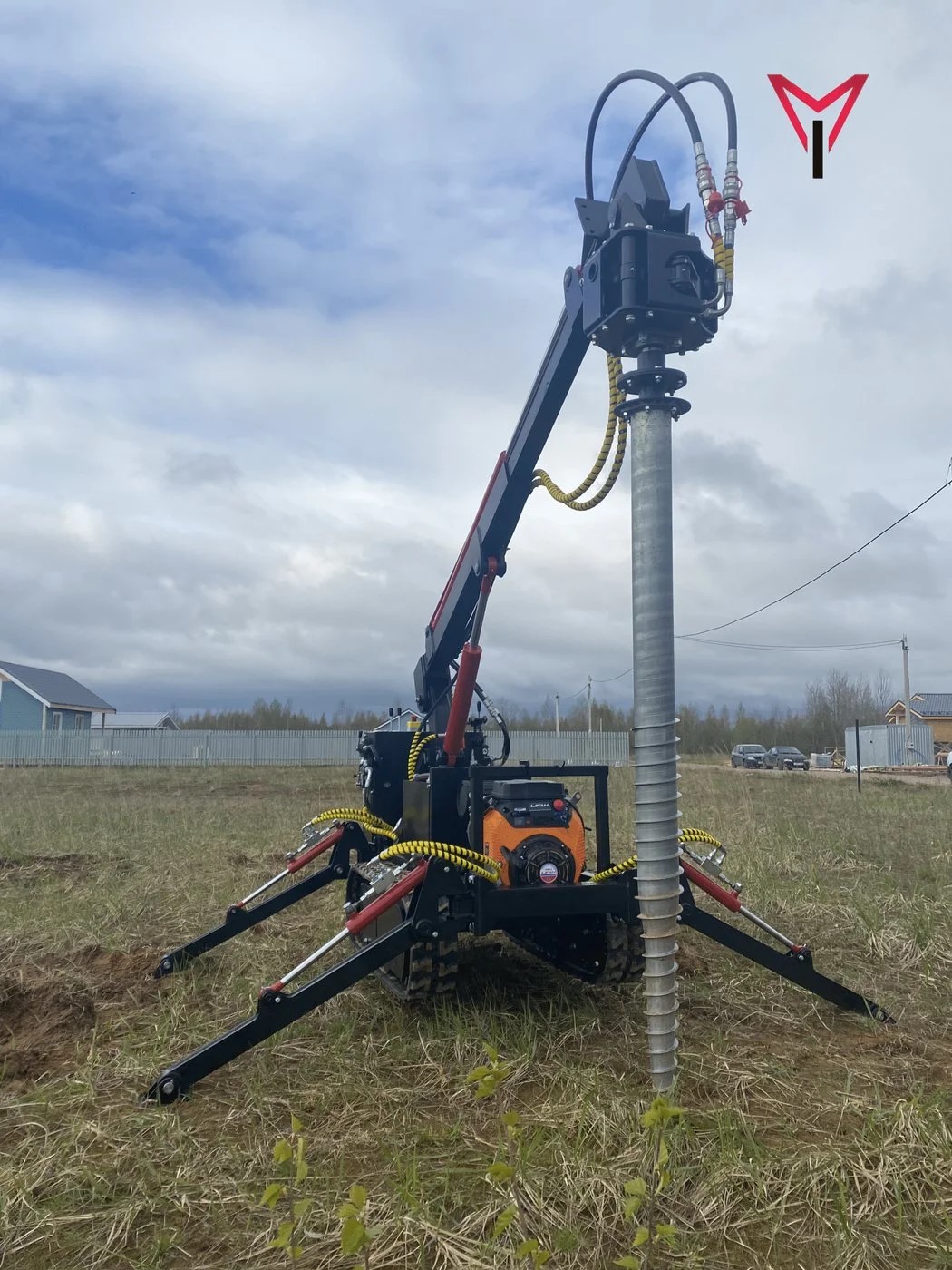
Torque is one of the most important parameters in helical pile installation because it reflects the rotational force used to advance the pile through the ground. A machine such as the one shown at https://iron-mechanics.com/product/helical-pile-machine/ must provide enough force to keep the pile moving as soil resistance increases, while still allowing the operator to maintain alignment and control. The required torque is not constant throughout the installation. It can change substantially as the pile passes through different soil layers. For contractors, understanding this relationship helps with equipment selection, site planning and interpretation of what is happening below the surface.
A helical pile does not enter the ground in the same way as a driven pile or drilled shaft. Its helix rotates through the soil and pulls the shaft downward as the installation head turns. The machine must overcome the resistance created by the soil acting against the helix and shaft. If that resistance exceeds the available torque, the pile may stop before reaching the required depth. Excessive force, on the other hand, can place unnecessary stress on the pile, adapters and drive system.
Why Torque Changes During Installation
Soil rarely has the same density and composition from the surface to the final pile depth. A site may contain loose fill near the top, followed by compact sand, clay or gravel below. Each layer reacts differently as the pile rotates through it. This is why a pile may initially enter the ground with little resistance and then become considerably harder to turn several meters deeper.
Pile geometry also affects the required torque. A larger helix creates a greater contact area with the soil and therefore produces more resistance during rotation. Shaft diameter, pile length and the number of helical plates can influence the load placed on the installation machine as well. Two piles of similar length may therefore require very different installation forces.
Ground moisture can also change how the soil behaves. Some clay soils become softer when wet, while others can create significant adhesion around the pile shaft. Dense or partially frozen ground can increase installation resistance considerably. Contractors need to consider these variations when choosing equipment rather than relying only on ideal soil conditions.
The installation process itself matters as well. A pile entering the ground at an incorrect angle may experience uneven resistance and additional loading. Maintaining alignment helps ensure that available torque is used to advance the pile rather than forcing it sideways. Stable machine positioning is therefore closely connected with torque performance.
Choosing the Right Torque Capacity
Selecting a machine only by its maximum torque rating can lead to poor decisions. Contractors first need to understand the range of pile sizes and soil conditions that make up their normal workload. The machine should have enough capacity for difficult sections without being so oversized that transport, access and operating costs become unnecessarily high.
A useful selection process includes several steps:
- Identify the pile diameters and lengths used most often.
- Review expected soil conditions for typical projects.
- Estimate the normal installation torque and likely peak resistance.
- Allow a reasonable reserve above average requirements.
- Check whether the machine can remain stable while applying that torque.
- Confirm that the drive head, adapters and hydraulic system are compatible with the selected piles.
- Compare torque capacity with machine weight, dimensions and transport requirements.
Reserve capacity is particularly important. A machine that operates near its maximum output during every installation has little room to deal with unexpectedly dense soil. It may also experience greater mechanical stress over repeated work cycles. A machine that performs normal installations below its absolute limit can often handle variable conditions more comfortably.
Oversizing has disadvantages too. Higher torque usually requires stronger hydraulic components and a heavier structure. This can make the machine harder to transport and less practical on restricted sites. The most effective specification is usually the one that matches the contractor’s actual projects with enough margin for difficult ground.
Torque and Soil Resistance Are Connected
Helical piles are often installed until specified depth or resistance criteria are reached. Torque can provide useful information about the resistance encountered by the pile during this process. A steady increase may indicate that the pile is entering denser material, while an abrupt change can suggest a different soil layer or an obstruction.
This information should be interpreted carefully. Torque alone does not describe the complete behavior of the foundation. Pile geometry, soil type and installation method all influence the relationship between rotational resistance and structural performance. Engineering requirements should determine how installation data is used on a particular project.
For contractors, the practical value lies in understanding that the machine is providing more than mechanical force. Its behavior can help reveal changes below the surface. An experienced operator often notices variations in hydraulic load, rotation rate and pile movement as conditions change. These observations can help identify problems before they become difficult to correct.
Sudden resistance deserves attention. Continuing to apply maximum force against an unknown obstruction can damage the pile or equipment. Depending on the project, the correct response may be to stop installation, inspect the location or consult the engineer. Controlled operation is therefore more valuable than simply having the highest possible torque available.
Hydraulic Systems and Controlled Force
Hydraulic drives are commonly used for helical pile machines because they can provide strong rotational force at relatively low speeds. This combination suits a process where control matters more than rapid rotation. The operator needs to apply force steadily while monitoring alignment and penetration.
Hydraulic pressure contributes to the force available from the system, while flow influences operating speed. These two parameters need to work together with the drive motor and gearbox. A high pressure rating alone does not guarantee that the machine will perform well under continuous installation loads. The complete hydraulic system must be designed for repeated operation.
Temperature is another consideration during intensive work. Hydraulic fluid heats as energy moves through the system, particularly under sustained high load. If the machine repeatedly works close to maximum capacity, heat management becomes more important. Suitable cooling and regular maintenance help preserve predictable performance.
Hydraulic components also need to remain accessible for inspection. Hoses, fittings and seals operate under pressure and can wear over time. Contractors who depend on one installation machine benefit from being able to identify problems early rather than discovering them during a project. Preventive maintenance supports both reliability and torque consistency.
Why More Torque Is Not Always Better
Equipment specifications often encourage buyers to focus on the largest number. In foundation work, that approach can be misleading. A machine with very high torque may be unnecessary if most projects involve relatively small piles and moderate soil resistance. Carrying unused capacity to every site can increase transport costs without improving productivity.
Machine stability must also match its power. High torque creates reaction forces that the chassis and boom structure need to resist. If the machine is poorly positioned or operating on unstable ground, additional torque does not automatically improve the installation. The operator may instead struggle to keep the drive head aligned.
Compact contractors face another limitation. Residential projects often involve narrow gates, restricted yards and finished landscaping. A heavier machine may have excellent technical capacity but simply be too large for the majority of those sites. Equipment should therefore be evaluated as a complete working platform rather than as a torque figure in isolation.
The same reasoning applies to fuel consumption, wear and maintenance. A larger machine usually contains heavier components and may require more expensive transport. If those characteristics are not needed for the company’s normal workload, the additional capacity provides little commercial benefit.
Installation Quality Depends on Control
Correct pile installation requires several factors to remain balanced. Torque must be sufficient, but the pile also needs to stay within the intended position and angle. The machine must remain stable, and the operator needs enough control to respond as resistance changes. None of these requirements can be replaced by raw power.
Accurate alignment is especially important during the first stage. Once a long pile has entered the ground at an incorrect angle, correction becomes increasingly difficult. Applying more torque will not solve a positioning error. Careful setup can therefore save more time than trying to compensate later with additional machine force.
Consistent installation also benefits the work that follows. Properly located pile heads make it easier to connect beams, brackets and structural frames. If support points vary from the design, the construction crew may need to modify components on site. These adjustments can erase much of the time gained during a fast foundation installation.
Torque is best understood as one part of a controlled process. It provides the force needed to advance the pile, but effective installation depends on how that force is applied. Contractors who match torque capacity to pile size, soil conditions and machine stability are better positioned to complete foundations efficiently without carrying unnecessary equipment capacity from project to project.