
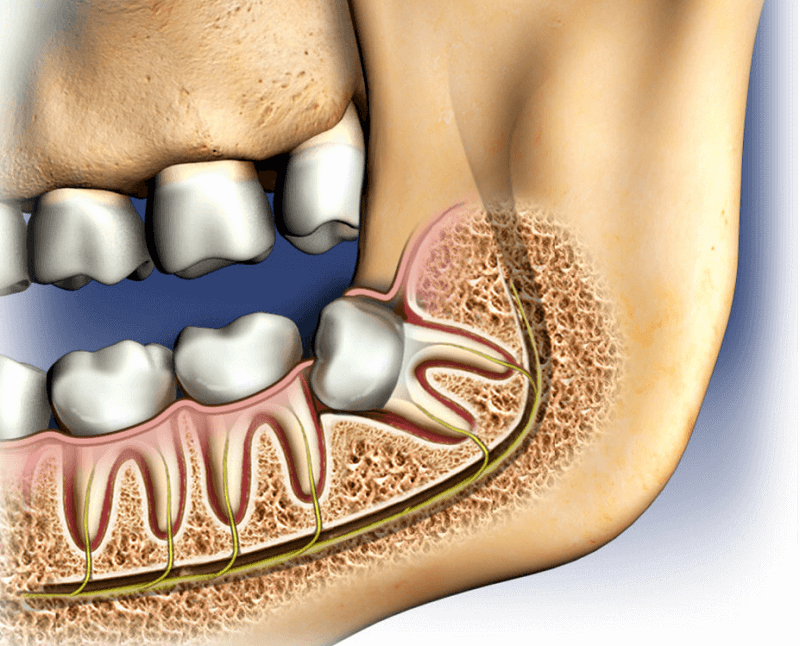
For decades, the arrival of third molars signaled an inevitable trip to the oral surgeon. The prevailing medical philosophy dictated that these late-blooming teeth would almost certainly cause trouble down the line, leading to widespread preemptive removal across demographics. However, dental medicine constantly evolves, and modern evidence has shifted the paradigm. Today, specialists take a highly individualized approach to third molars. Leading organizations and dental professionals at facilities like Dentprime now emphasize rigorous, case-by-case evaluation over automatic surgery, carefully weighing the biological benefits of keeping healthy teeth against the potential risks of leaving them in place.
The Core Concept of Strategic Observation
What exactly dictates the choice to keep these teeth? The modern approach, often tied to wisdom teeth extraction retention protocols, focuses on active surveillance and specific health criteria rather than preemptive surgery. “Retention” in this context refers to the deliberate, medically sound decision to keep the wisdom teeth intact within the jaw, monitoring them regularly over a patient’s lifetime.
This strategy acknowledges that surgical extraction carries its own inherent risks. Any oral surgery presents the possibility of localized infection, prolonged recovery periods, dry socket, and, in rare instances, temporary or permanent nerve damage resulting in numbness of the lip or tongue. If a tooth poses no immediate or foreseeable pathological threat, leaving it undisturbed often proves to be the safest medical pathway for the patient.
Physiological Criteria for Keeping Third Molars
Not every patient qualifies to safely keep their third molars. Dental professionals look for specific physiological and structural markers to determine if retention is a viable, safe option.
First, the teeth must be completely erupted. They need to sit fully above the gum line, matching the height and alignment of the adjacent second molars. Second, they must be functional. A retained wisdom tooth should bite down correctly against an opposing tooth in the opposite jaw, contributing effectively to the mechanics of the chewing process.
Furthermore, the surrounding gum tissue must be healthy, and the patient must demonstrate the ability to clean these far-back teeth adequately. Because third molars sit deep within the oral cavity near the throat, daily hygiene presents a unique physical challenge. If a patient cannot comfortably reach them with a toothbrush and dental floss, plaque accumulation becomes inevitable. Over time, this leads to aggressive tooth decay and periodontal disease, forcing an extraction that could have been avoided or anticipated.
Potential Complications of Unmonitored Teeth
While avoiding surgery sounds appealing, keeping wisdom teeth requires strict vigilance. Even asymptomatic teeth—those causing no pain, stiffness, or visible swelling—can harbor hidden pathological problems.
A frequent complication observed in partially erupted teeth is pericoronitis. This condition involves an acute infection of the operculum, the small flap of gum tissue that partially covers an erupting tooth. Food particles and harmful oral bacteria easily become trapped beneath this soft tissue flap, leading to severe inflammation, pain, and localized swelling.
Additionally, impacted wisdom teeth that remain buried deep within the jawbone can spontaneously develop cysts. These fluid-filled sacs form around the crown of the unerupted tooth and have the potential to hollow out the surrounding jawbone, silently damaging the roots and bone support of neighboring, healthy teeth. Therefore, the decision to retain these teeth is never a passive one; it demands a lifelong commitment to impeccable dental hygiene and regular radiographic examinations.
The Myth of Anterior Crowding
A persistent belief among the general public is that erupting wisdom teeth exert massive forward pressure on the dental arch, causing the front incisors to shift, twist, and overlap. Many individuals pursue extraction purely out of fear that their expensive orthodontic work will be ruined as they enter their twenties.
Modern dental research heavily refutes this notion. Late lower incisor crowding happens to individuals regardless of whether they possess wisdom teeth. This shifting is primarily due to natural, late-stage jaw growth patterns and the natural aging of the facial structure. Consequently, extracting third molars solely to prevent the front teeth from crowding is no longer viewed as a medically supported justification. Orthodontists today rely on permanent or removable dental retainers, rather than wisdom tooth extraction, to maintain the alignment of the anterior teeth.
The Active Surveillance Strategy
When a dentist recommends keeping the third molars, the patient enters a phase of active surveillance. This is a highly structured monitoring protocol designed to catch early signs of disease. During annual or bi-annual checkups, the dentist physically probes the gums around the wisdom teeth, checking for abnormal pocket depths and early signs of periodontal disease.
Panoramic X-rays play a crucial role during these diagnostic visits, allowing the practitioner to see entirely beneath the gum line. The dental team looks for subtle changes in the surrounding bone density, the early formation of cystic lesions, or unexpected shifts in the tooth’s angulation within the bone. If the status of the tooth ever changes from healthy and disease-free to compromised, the medical recommendation will swiftly pivot from retention to extraction.
Ultimately, managing third molars requires a highly tailored medical strategy based on individual anatomy and risk factors. The distinct shift away from blanket extractions reflects a deeper respect for the body’s natural structure and a more nuanced calculation of surgical risks versus benefits. Patients must engage in open dialogues with their dental care providers, evaluating their specific panoramic radiographs and daily oral hygiene habits. By prioritizing evidence-based assessments, individuals can make informed choices about their oral health, ensuring that any intervention strictly serves their best long-term medical interests.