
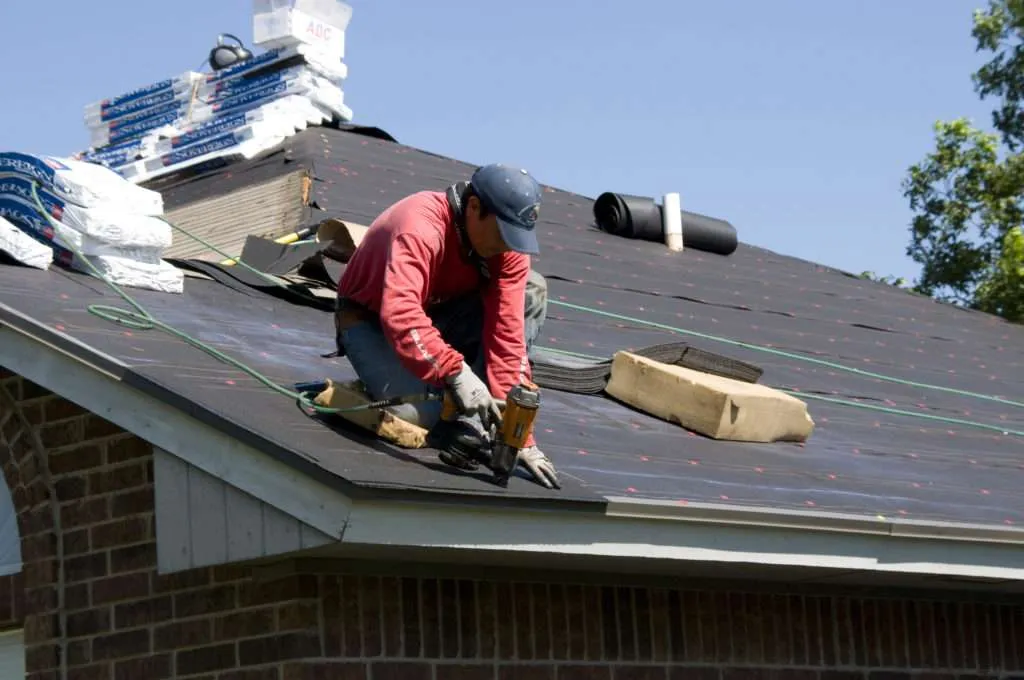
For most people, a home is the ultimate symbol of stability, safety, and financial security. It is the backdrop against which life unfolds and a major repository of personal wealth. Yet, the entire safety of this asset relies on a single, continuous system that bears the full brunt of nature day in and day out. The structural canopy overhead is your property’s primary shield, absorbing everything from brutal summer heatwaves to sudden winter downpours.
Despite its critical importance, this vital asset is often overlooked until something goes wrong. A small leak, a displaced tile, or an aging surface can quietly compromise the interior of a house long before visible signs emerge inside. For discerning homeowners, proactive education and strategic structural care are essential to preserving a property’s value, optimizing its energy efficiency, and ensuring absolute peace of mind.
The True Cost of Deferred Asset Maintenance
It is easy to adopt an out-of-sight, out-of-mind mentality when it comes to the highest points of a house. However, delaying necessary inspections or minor repairs is one of the most expensive mistakes a property owner can make. Water is a patient and persistent adversary. When an exterior barrier fails, moisture slowly infiltrates the underlying wooden decking, creating a breeding ground for wood rot and hazardous mold.
By the time a water stain actually appears on a living room ceiling, the internal damage has often been accumulating for months. This can ruin attic insulation, compromise structural framing, and even threaten electrical systems. Beyond the physical damage, a compromised exterior system severely impacts a home’s thermal efficiency. Gaps or degraded materials allow conditioned air to escape rapidly, causing monthly utility bills to skyrocket as heating and cooling systems struggle to keep up. Taking a defensive approach to home care means addressing small vulnerabilities before they transform into catastrophic, budget-breaking emergencies.
Engineering Modern Durability: Beyond the Visible Surface
To truly appreciate the value of high-quality craftsmanship, a homeowner must understand that a resilient roof is a highly sophisticated, multi-layered system. It is not merely a collection of shingles or tiles nailed to wood, but a carefully engineered assembly where each layer plays a specific role in defending the home.
The Foundation and Sub-Layers
Everything begins with the solid wood decking, which provides the structural framework for the entire system. Directly above this deck sits the underlayment. In past decades, simple felt paper was the industry standard, but modern engineering has introduced advanced synthetic underlayments. These contemporary materials offer vastly superior tear strength, do not degrade under extreme heat, and provide a highly reliable secondary waterproof boundary that protects the home even if the outer layer is breached.
Thermal Regulation and Exhaust Systems
A truly elite system doesn’t just block water; it manages heat and airflow. Proper attic ventilation is critical to extending the lifespan of the entire structure. A balanced network of intake vents along the lower eaves and exhaust vents along the peak creates a continuous, natural flow of air. This movement flushes out trapped heat during the summer, preventing the attic from baking the living spaces below. In the winter, it expels moisture that rises from inside the home, preventing condensation from rotting the wood from the inside out.
Selecting the Optimal Outer Defense
The topmost layer must match the architectural style of the home while standing up to regional climate demands. Modern architectural asphalt shingles are highly favored for their durability, wind resistance, and excellent cost-to-performance ratio. For properties requiring maximum longevity and a classic aesthetic, clay or concrete tiles provide an incredibly robust solution that can easily last for half a century. Many modern materials also feature solar-reflective granules, which help keep the entire property cooler and reduce environmental strain.
Selecting an Elite Industry Partner
Because upgrading or replacing an exterior barrier is a significant capital investment, choosing the right professionals to execute the project is just as important as selecting the materials themselves. The market is filled with individuals offering quick fixes, but long-term structural integrity requires verified expertise, proper licensing, and true accountability.
Always verify that a contractor holds the specific, active state credentials required for specialized structural work, such as a dedicated C-39 roofing license. True professionals will readily provide proof of comprehensive general liability insurance and workers’ compensation coverage, protecting you from any financial liability in the event of an on-site accident. Furthermore, demand a transparent, line-item proposal that breaks down all material specifications, labor allocations, and cleanup processes, ensuring there are no hidden fees or unexpected surprises mid-way through the project.
When you are ready to transition from planning to execution, securing an accurate, professional assessment of your property’s current condition is the essential first step. You can easily initiate this process and discover the exact needs of your home by requesting a detailed evaluation through Get Your Free Estimate Now>>>.
Proactive Preservation: The Homeowner’s Ongoing Responsibility
Even the most expertly installed system requires routine care to achieve its maximum potential lifespan. Developing a simple, twice-a-year maintenance routine is the most effective way to protect your investment and avoid premature failure.
Clear Drainage Routes and Debris Removal
The transition between seasons is the perfect time to evaluate your property. Ensure that all gutters, downspouts, and valley channels are completely free of leaves, pine needles, and organic debris. When drainage paths are blocked, water backs up during heavy downpours, spilling over into the fascia boards and finding its way underneath the edges of the primary barrier.
Landscape Management
Keep a close eye on the trees surrounding your property. Mature branches should be trimmed back so they maintain a safe clearance of several feet from the edge of the house. Wind can cause overhanging limbs to scrape against the surface, scrubbing away the protective granules on shingles or cracking rigid tiles. Keeping trees trimmed also minimizes the amount of debris falling onto the structure and deters local pests from finding an easy pathway into your attic space.
Long-Term Peace of Mind
Your home is your sanctuary, and the roof overhead is its most crucial defender. By investing in high-quality materials, understanding the importance of proper ventilation, and partnering with verified local experts, you are doing more than just maintaining a building; you are securing your family’s comfort and preserving your financial future for decades to come. Ensure your home receives the precise, dedicated care it deserves, and enjoy the confidence that comes with a truly resilient shield.