
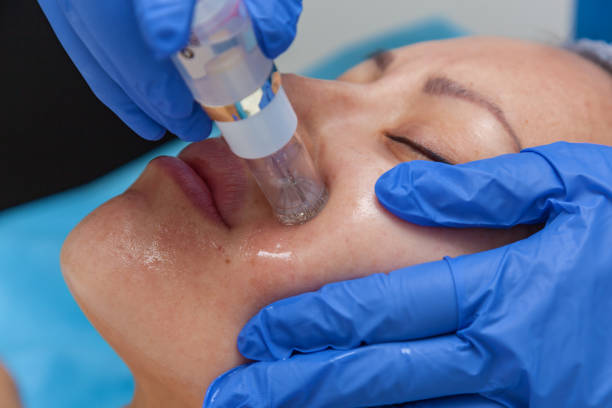
Collagen is the primary structural protein responsible for keeping human skin firm, smooth, and resilient. As natural collagen production begins to diminish in early adulthood, the skin gradually loses its structural support, leading to fine lines, wrinkles, uneven texture, and subtle sagging. While topical serums and moisturizers play an important role in surface hydration, restoring dermal density requires reaching the deeper layers where collagen synthesis occurs. Advanced microneedling has emerged as one of the most effective, evidence-based, non-surgical procedures for stimulating natural tissue repair and rebuilding structural protein networks from within.
Understanding the Role of Collagen in Skin Architecture
To understand how mechanical skin restoration works, it helps to examine the underlying anatomy of the skin. The skin consists of three primary layers: the epidermis on top, the dermis in the middle, and the subcutaneous tissue below. Collagen and elastin fibers reside within the dermis, creating an extracellular matrix that acts as a scaffold for the surface skin.
Factors affecting natural collagen degradation include:
-
Intrinsic Aging: Natural cell turnover slows by roughly 1% each year after age twenty, reducing overall collagen synthesis.
-
Photoaging: Ultraviolet (UV) radiation breaks down structural proteins through oxidative stress and triggers excess collagenase enzymes.
-
Environmental Stressors: Pollution, blue light exposure, and lifestyle factors accelerate tissue degradation and weaken the extracellular matrix.
When this supportive matrix weakens, surface imperfections such as acne scars, enlarged pores, and fine expression lines become more prominent. Reversing this process requires triggering the body’s natural wound-healing cascade.
The Mechanism of Action Behind Microneedling
Microneedling, also known as collagen induction therapy (CIT), works by intentionally creating controlled micro-injuries on the surface of the skin. Specialized clinical devices equipped with sterile micro-needles penetrate the epidermal layer into the papillary dermis at precise, adjustable depths.
This controlled stimulation activates three distinct phases of cellular repair:
-
Inflammation Phase: Micro-channels trigger a localized immune response. Platelets release growth factors that attract neutrophils and fibroblasts to the site of treatment.
-
Proliferation Phase: Fibroblasts synthesize new extracellular matrix components, including early-stage collagen, elastin fibers, and new micro-capillaries to supply oxygen and nutrients.
-
Remodeling Phase: Over several weeks to months, temporary structural proteins are replaced by stronger, organized collagen, gradually tightening and smoothing the surrounding skin tissue.
Because the stratum corneum remains largely intact between channels, the risk of side effects and downtime is minimal compared to invasive resurfacing procedures.
Key Benefits of Collagen Induction Therapy
Advanced microneedling provides versatile benefits for diverse skin types and a wide range of structural skin concerns.
Smoothing Scarring and Textural Irregularities
Acne breakouts and mechanical injuries often heal with rigid, disorganized fibrous tissue, leaving behind depressed or rolling scars. Controlled mechanical needle insertion breaks up these rigid fibrous bands while encouraging uniform collagen formation underneath. Over a structured series of visits, skin texture becomes noticeably smoother and more refined.
Enhancing Topical Product Absorption
The micro-channels created during treatment serve as direct pathways into the deeper epidermal and dermal layers. When paired with specialized clinical serums containing hyaluronic acid, peptides, or antioxidants, topical penetration increases exponentially. This maximizes the therapeutic impact of active ingredients that would otherwise remain on the surface.
Improving Elasticity and Firmness
Consistently stimulating new tissue growth helps restore lost structural volume around the cheeks, jawline, and eyes. Integrating professional collagen boosting microneedling treatments into a broader skincare plan helps maintain firm, resilient tissue contours without altering natural facial expressions or requiring surgical interventions.
| Treatment Parameter | Standard Home Rolling | Professional Microneedling |
|---|---|---|
| Penetration Depth | Superficial (0.2 mm–0.3 mm) | Deep Dermal (0.5 mm–2.5 mm+) |
| Device Precision | Manual rollers (curved entry) | Vertical motor-driven mechanical needles |
| Primary Goal | Mild topical product absorption | True collagen synthesis and scar remodeling |
| Safety Profile | High risk of surface tearing or infection | Sterile, single-use cartridges controlled by professionals |
Complementary Technologies and Modalities
Modern clinical esthetics frequently pairs traditional collagen induction with complementary advanced technologies to enhance treatment outcomes.
Radiofrequency (RF) Integration
Combining mechanical needle stimulation with radiofrequency thermal energy allows heat to be delivered directly into the deeper dermis. This thermal contraction immediately tightens existing tissue while accelerating long-term protein production, making it particularly effective for pronounced skin laxity and deeper structural lines.
Nano-Infusion and Gentle Resurfacing
For sensitive areas or individuals who prefer gentle maintenance between intensive procedures, nano-infusion utilizes microscopic silicone tips to gently massage serum into the upper skin layers. This approach hydrates, refines, and brightens without triggering a full inflammatory healing response.
Optimizing Healing and Protecting Your Investment
Achieving peak collagen stimulation depends as much on post-treatment care as on the procedure itself. Following proper clinical guidance ensures proper tissue recovery and minimizes the risk of hyperpigmentation or irritation.
Key post-procedure recommendations include:
-
Avoid Active Ingredients: Pause the use of retinoids, vitamin C serums, alpha-hydroxy acids (AHAs), and exfoliating scrubs for 3 to 5 days post-treatment, or as directed by your provider.
-
Prioritize Sun Protection: Newly treated skin is highly sensitive to UV radiation. Apply a mineral-based, broad-spectrum zinc oxide sunscreen when your provider confirms it is appropriate.
-
Maintain Hydration and Barrier Function: Apply rich, soothing formulas containing ceramides, fatty acids, and hyaluronic acid to support the natural healing response.
A Proactive Approach to Long-Term Structural Skin Health
Restoring lost collagen and refining skin texture requires a thoughtful, science-backed strategy tailored to your individual skin needs. By using precise mechanical micro-stimulation to trigger natural healing mechanisms, advanced microneedling addresses the root causes of skin aging and structural scarring. Paired with professional clinical oversight and disciplined sun protection, regular collagen induction therapy offers a reliable foundation for smoother, firmer, and healthier skin for years to come.