
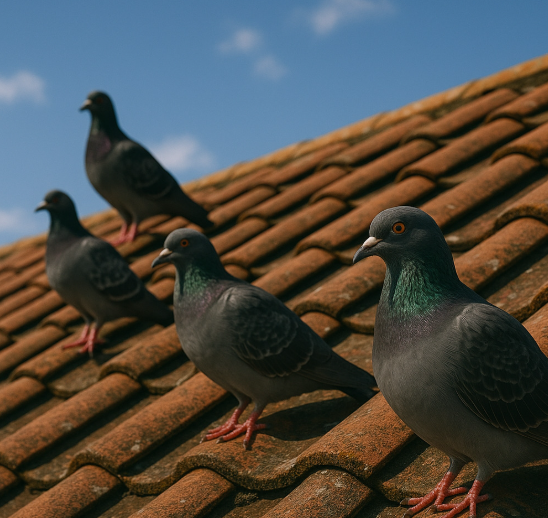
Birds are one of the most persistent and underestimated challenges facing industrial and manufacturing sites. With expansive roofs, sheltered cavities and steady access to food and water, these facilities offer almost everything a bird needs to roost and nest. Left unmanaged, bird activity quickly moves beyond a nuisance, creating genuine operational, safety and financial risks from contaminated stock and slip hazards to failed audits and costly equipment damage.
For facility and operations managers, professional bird control is a sound investment in compliance, productivity and asset protection. This blog outlines why birds are drawn to industrial environments, the risks they pose and the practical solutions that keep them out for good.
Why Birds Are Attracted to Industrial and Manufacturing Facilities
Understanding the appeal is the first step to managing it. Large roof structures provide sheltered, elevated nesting areas that are difficult to reach and largely undisturbed. Warehouses with open loading docks effectively roll out the welcome mat, allowing birds to move freely between the outside and protected interior spaces.
Food processing plants and waste management areas are particularly attractive, offering a reliable food source that draws birds in numbers. Elevated structures such as beams, rafters, signage, gantries and machinery create ideal perching and roosting points. In short, the very features that make these facilities efficient for industry also make them appealing to birds.
The Risks of Bird Infestations in Industrial EnvironmentsHealth and Safety Concerns
Bird droppings are more than unsightly. On walkways, mezzanines and loading areas they create serious slip hazards, while droppings near production lines or storage can lead to contamination risks. Accumulated debris, feathers and nesting material can also affect employee health, particularly in enclosed or poorly ventilated spaces, making this a workplace safety issue that managers cannot afford to overlook.
Property and Equipment Damage
Bird droppings are highly acidic and corrosive, gradually degrading roofing, cladding and metalwork. Over time, this corrosion damages ventilation systems, solar panels and exposed machinery. Nesting material adds further strain, and the cumulative result is a steady rise in maintenance and repair costs that could have been avoided with early intervention.
Operational Disruptions
Nesting debris frequently blocks gutters and drainage systems, leading to water pooling and potential flooding. In severe cases, bird activity can force production interruptions for cleaning or repairs. Perhaps most critically, evidence of infestation can compromise audits, inspections and compliance requirements, a significant concern for food-grade and regulated facilities where hygiene standards are non-negotiable.
Key Factors to Consider Before Implementing Bird Proofing Solutions
No two sites are identical, so an effective approach begins with assessment. Facility size and layout determine which methods are practical, while the bird species present and their behaviour patterns influence the most suitable deterrents. Identifying high-risk nesting and roosting areas allows resources to be focused where they matter most.
It is equally important to consider long-term maintenance requirements, ensuring any system installed remains effective over time. Finally, compliance with wildlife protection regulations is essential, as many bird species are protected and must be managed lawfully and humanely.
Effective Bird Proofing Solutions for Industrial FacilitiesBird Netting Systems
Netting physically prevents birds from accessing large open areas, making it well suited to warehouses, manufacturing plants and internal roof voids. Its main benefit is comprehensive coverage; its limitation is that correct tensioning and installation are critical to avoid gaps and ensure durability.
Bird Spikes
Spikes are ideal for ledges, beams, pipes and signage, discouraging birds from landing and roosting without causing them harm. They are discreet, low-maintenance and highly effective on the narrow surfaces birds favour.
Bird Wire and Tension Systems
For architectural features and narrow ledges, tensioned wire systems offer a near-invisible deterrent. They are particularly valued in settings where appearance matters, providing reliable protection without altering the look of the structure.
Exclusion Barriers and Screening
Screening protects ventilation openings, roof cavities and access points, preventing birds from entering enclosed or sensitive spaces. This is especially important for facilities where contamination control is a priority.
Loading Dock and Entry Point Management
Loading docks are a common weak point. Strip curtains, rapid-action doors and disciplined operational practices minimise access opportunities while still allowing frequent vehicle movement, striking a balance between security and workflow.
Habitat Modification
Finally, reducing the food, water and nesting opportunities that attract birds is fundamental. Strong site housekeeping, prompt waste management and the removal of standing water make a facility far less appealing in the first place.
Why a Tailored Bird Proofing Strategy Works Best
There is no single solution that suits every facility. The most effective outcomes come from a tailored strategy built on a thorough site inspection and risk assessment. In practice, this usually means combining several methods, netting in open spans, spikes on beams, screening over vents and improved housekeeping, to address each facility’s unique vulnerabilities.
The Benefits of Professional Bird Proofing
Engaging specialists ensures correct product selection and installation, which is where many do-it-yourself efforts fall short. Professional systems are designed for long-term effectiveness, reducing maintenance costs and the need for repeat treatments. Just as importantly, they improve workplace safety, support compliance and ultimately protect business operations and assets, delivering value that far outweighs the initial outlay.
Conclusion
For industrial and manufacturing facilities, bird activity is a risk that compounds when ignored. Book professional bird proofing services – protects your people, your equipment and your compliance standing while avoiding the escalating costs of reactive clean-ups. The smartest approach is to act before bird activity becomes an established and expensive problem. Facility managers are encouraged to assess their sites, identify vulnerable areas and put tailored, long-term solutions in place, protecting both operations and assets for years to come.
Frequently Asked Questions
How long do industrial bird proofing solutions last?
When professionally installed, systems such as netting, spikes and wire can last many years with minimal upkeep. Longevity depends on the materials used, the installation quality and the environmental conditions at your site, which is why periodic inspections are recommended.
Will bird proofing disrupt our production or daily operations?
Most installations are planned to work around your schedule, with much of the work carried out in low-activity periods or staged across zones. Solutions like loading dock management are specifically designed to maintain workflow while reducing bird access.
Are bird proofing methods humane and compliant with regulations?
Yes. Reputable bird proofing relies on exclusion and deterrence rather than harm, keeping birds away without injuring them. Because many species are protected under Australian wildlife law, professional providers ensure all methods meet the relevant compliance requirements.