
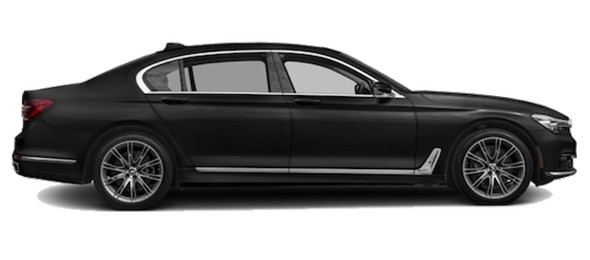
When people book a chauffeured car, they usually compare photos of the vehicles and the price. Both matter, but neither says much about what really protects passengers: how the cars are maintained, who’s driving them and what happens when something goes wrong. Those details rarely appear in an advert, yet they separate a professional operator from someone with a nice car and a website.
Established companies tend to be open about these standards, and it’s worth looking at how they describe their operations. A long-running service such as https://www.seattlestowncar.com, which has operated in the Seattle area for more than two decades, is a useful benchmark: a mixed fleet of sedans, SUVs, vans and limousines, insurance coverage stated up front, and published commitments on punctuality. Here’s what to check, whichever company you’re considering.
Maintenance is a schedule, not a reaction
A private car might be serviced once a year. A chauffeur vehicle can cover that distance in a few months, much of it in stop-and-go city traffic and on airport runs, which wears brakes, tyres and suspension faster than steady highway driving. Professional fleets work to preventive maintenance schedules based on mileage and hours, not on waiting for a warning light.
In a region like the Pacific Northwest, the climate adds its own demands. Long wet seasons mean tyre tread depth and wiper condition aren’t cosmetic details, and winter trips towards the mountain passes may require traction tyres or chains. It’s reasonable to ask a provider how often vehicles are inspected and what happens to a car that fails a check.
Vehicle age and type matter less than condition
A newer car isn’t automatically safer than a well-kept older one. That said, ageing vehicles bring a higher risk of breakdowns, and a fleet full of high-mileage cars can be a sign of cost-cutting. A good operator retires vehicles on a planned cycle and keeps backup cars available, so a mechanical problem on the morning of your airport run means a swap, not a cancellation.
Matching the vehicle to the job is part of safety too. Overloading a sedan with six suitcases affects handling and braking. Squeezing a group into a car with too few seat belts is simply unsafe. Professional dispatchers size the vehicle to the passengers and luggage, not the other way around.
The driver is the most important safety feature
Even the best-maintained car is only as safe as the person driving it. Reputable chauffeur services check driving records and backgrounds, require the appropriate commercial licensing and train drivers in defensive driving. Just as important is managing fatigue: sensible shift lengths and rest periods, especially for early-morning airport runs and late-night event pickups.
Local knowledge counts as well. A driver who knows which routes flood in heavy rain, where the I-5 bottlenecks build up and how traffic flows around the cruise terminals spends less time making rushed decisions on the road.
Insurance and licensing aren’t optional extras
Commercial passenger transport needs commercial insurance with much higher coverage than a personal policy, along with the right operating permits for the city, county and airport. Unlicensed operators often undercut established companies on price precisely because they skip these costs. If something goes wrong, passengers can be left without meaningful protection. Don’t hesitate to ask for proof of coverage; a legitimate company won’t be offended.
Technology that supports safety
Modern dispatch systems do more than take bookings. Flight tracking means drivers aren’t rushing to make up for a delayed arrival. GPS fleet tracking lets dispatchers see where every vehicle is and respond quickly to breakdowns or route problems. Some fleets also monitor driving behaviour such as harsh braking or speeding, giving managers an objective view of how their vehicles are driven.
A quick checklist before you book
Ask how often the vehicles are serviced and inspected. Check that the company holds commercial insurance and the local permits it needs. Find out how drivers are screened and trained, and what happens if your assigned car breaks down. A provider who answers these questions clearly and without hesitation is usually one that takes the rest of the job seriously too.
Comfort and style are what people notice in a chauffeured car. Safety is what they never have to think about, and that’s exactly how it should be.