
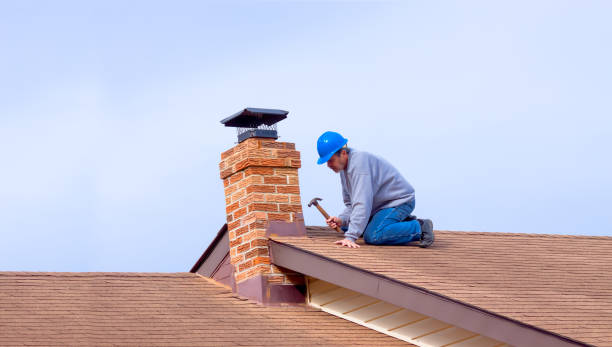
Chimneys are easy to overlook when everything seems to be working properly. They sit above the roofline, quietly venting smoke and gases while dealing with rain, snow, wind, freezing temperatures, and years of regular use. Unfortunately, many chimney problems begin long before homeowners notice obvious signs inside the house.
For homeowners throughout Greater Boston, Eastern Massachusetts, and Central Massachusetts, seasonal weather can be especially demanding on chimney systems. Homes in Boston, Cambridge, Newton, Quincy, Brookline, Waltham, Framingham, Worcester, Lowell, Lexington, and surrounding communities experience repeated freeze and thaw cycles that can gradually weaken masonry and expose hidden chimney issues.
Identifying problems early can help homeowners avoid larger repairs, improve fireplace performance, and reduce the risk of moisture or structural damage.
Cracked and Deteriorating Chimney Masonry
Brick and mortar are durable, but they are not immune to Massachusetts weather. Water can enter small cracks in mortar joints or bricks. When temperatures drop below freezing, trapped moisture expands. Once temperatures rise again, the material contracts.
Repeated freeze and thaw cycles can gradually cause mortar joints to crumble and brick surfaces to crack or flake.
Homeowners may notice loose mortar, missing sections between bricks, visible cracks, or pieces of masonry collecting near the base of the chimney. These problems should not be ignored. Once the outer chimney structure becomes more vulnerable to moisture, deterioration can accelerate.
Professional masonry repairs can restore damaged areas before larger sections of the chimney require rebuilding.
Water Leaks Around the Chimney
Water intrusion is one of the most common chimney problems homeowners encounter. Unfortunately, identifying the exact source of a chimney leak is not always simple.
Water may enter through damaged flashing, a cracked chimney crown, deteriorated mortar, missing chimney caps, or porous masonry. Inside the home, homeowners might notice ceiling stains near the fireplace, damp odors, peeling paint, water inside the firebox, or moisture around the chimney structure.
Because water can travel through walls and roofing materials before becoming visible, the location of a stain does not always reveal where the leak began.
Addressing moisture early is important because prolonged exposure can damage chimney masonry, surrounding roofing materials, ceilings, walls, and other parts of the home.
Damaged or Missing Chimney Caps
A chimney cap may be relatively small, but it performs several important functions. It helps prevent rain, snow, debris, animals, and leaves from entering the flue while still allowing smoke and exhaust gases to escape.
Without a properly fitted cap, moisture can enter the chimney more easily. Birds and small animals may also build nests inside the flue, potentially creating airflow restrictions.
Massachusetts homeowners should periodically inspect chimney caps from ground level when possible. A cap that appears crooked, damaged, heavily rusted, or missing may need professional attention.
Replacing a damaged chimney cap is often much easier and less expensive than repairing problems caused by years of water intrusion.
Chimney Crown Cracks
The chimney crown is the protective surface covering the top of the chimney structure around the flue openings. Its purpose is to direct rain and melting snow away from the masonry below.
Over time, crowns can develop cracks because of temperature changes, weather exposure, improper construction, or aging materials. Even relatively small cracks can allow water to enter.
Once water reaches the brick and mortar underneath, freeze and thaw cycles can increase deterioration. Homeowners in areas such as Worcester, Framingham, Waltham, Cambridge, and other Massachusetts communities should pay particular attention to crown condition because winter weather can place significant stress on exposed masonry.
Creosote Buildup Inside the Flue
Wood-burning fireplaces and stoves can produce creosote, a combustible residue that accumulates inside the chimney flue. The amount of buildup can depend on how frequently the fireplace is used, the type of wood being burned, airflow conditions, and how efficiently the fire burns.
Creosote should not simply be considered dirt inside the chimney. Heavy accumulation can restrict airflow and increase the risk of chimney fires.
Regular chimney sweeping helps remove buildup before it becomes excessive. Homeowners who use their fireplace frequently during cold Massachusetts winters should pay particular attention to maintenance rather than waiting until smoke or odor problems appear.
A professional chimney service provider such as TopDog Chimney can inspect the system for buildup, damage, and other developing conditions that might not be visible from inside the home.
Damaged Chimney Liners
The chimney liner protects surrounding building materials from heat and combustion gases while providing a proper pathway for exhaust to leave the home.
Clay liners can crack with age, temperature changes, moisture exposure, or chimney fires. Metal liners may also deteriorate or become damaged depending on their condition and installation.
Because the liner is located inside the chimney, homeowners generally cannot evaluate its entire condition without specialized inspection equipment.
Signs that may justify further inspection include pieces of clay inside the fireplace, unusual odors, poor draft, smoke entering the room, or noticeable changes in fireplace performance.
Damage to a chimney liner should be evaluated promptly because the liner plays an important role in the safe operation of the chimney system.
Chimney Flashing Problems
Flashing creates a weather-resistant seal where the chimney passes through the roof. When flashing becomes loose, corroded, improperly sealed, or damaged, rainwater may begin entering around the chimney.
Leaks caused by flashing are sometimes mistaken for chimney masonry problems because both can produce similar indoor symptoms.
Homeowners may notice stains on ceilings or walls near the chimney after heavy rain. In some cases, leaks appear only during specific weather conditions, making them harder to diagnose.
Professional inspection can help determine whether the moisture is entering through flashing, masonry, the crown, or another part of the chimney.
Blockages and Poor Chimney Draft
A properly functioning chimney depends on clear airflow. When the flue becomes blocked by nesting materials, leaves, debris, excessive creosote, damaged components, or other obstructions, smoke may not vent correctly.
Homeowners may notice smoke entering the room, fires that are difficult to maintain, strong fireplace odors, or unusual downdrafts.
Draft problems can also result from chimney design, air pressure inside the home, flue size, or changes to ventilation systems.
Rather than assuming the fireplace simply needs more airflow from an open window, homeowners should have persistent drafting problems evaluated so the actual cause can be identified.
Leaning or Structurally Unstable Chimneys
A chimney that appears to be leaning should always receive professional attention.
Movement can result from foundation problems, severe masonry deterioration, shifting structural components, or long-term moisture damage. Cracks where the chimney meets the house may also indicate movement.
Structural chimney problems generally become more expensive to correct as deterioration progresses. Early evaluation can determine whether localized masonry repairs are sufficient or whether more extensive structural work is necessary.
Homeowners should also avoid climbing onto the roof to inspect unstable chimney structures themselves.
White Staining on Chimney Brick
White powdery staining on chimney masonry is commonly called efflorescence. It develops when moisture travels through masonry and carries dissolved salts toward the surface.
When the water evaporates, the salts remain behind.
The staining itself can sometimes be cleaned, but homeowners should also consider why excessive moisture is moving through the chimney. Persistent efflorescence may indicate water penetration from damaged crowns, deteriorating mortar, missing caps, flashing issues, or porous masonry.
Treating only the visible staining without correcting the moisture source may allow the condition to return.
Rust Around the Fireplace or Damper
Rust is another sign that moisture may be entering the chimney system. Homeowners might notice corrosion on the damper, fireplace doors, firebox components, or other metal surfaces.
A small amount of corrosion can eventually interfere with moving parts. Dampers may become difficult to open or close, while other components can gradually weaken.
Finding the source of moisture is more important than simply removing visible rust. The underlying issue may involve the chimney cap, crown, flashing, masonry, or condensation inside the system.
Unusual Fireplace or Chimney Odors
Strong chimney odors can appear for several reasons. Creosote buildup, moisture, animal nesting materials, debris, or airflow problems can all contribute.
Some homeowners notice odors more strongly during warm or humid weather when air pressure pushes chimney smells back into the home.
Cleaning may help when creosote or debris is responsible, but recurring odors can also indicate ventilation or moisture problems. A chimney inspection can help determine whether the issue is simply routine buildup or a sign of something that requires repair.
Why Small Chimney Problems Should Be Addressed Early
One of the biggest mistakes homeowners make is waiting until chimney damage becomes impossible to ignore.
A small crown crack can become significant masonry deterioration. Loose flashing can lead to interior water damage. Minor mortar loss can eventually allow bricks to loosen. A damaged cap can expose the chimney to years of moisture.
Routine inspection gives homeowners an opportunity to identify developing conditions before they become major repair projects.
This is particularly important across Massachusetts, where chimneys regularly experience snow, ice, heavy rain, summer humidity, and dramatic temperature changes throughout the year.
Key Takeaways
Chimney problems often develop gradually, which makes regular observation and professional inspection important for homeowners throughout Greater Boston, Eastern Massachusetts, and Central Massachusetts.
Cracked masonry, chimney leaks, damaged crowns, missing caps, creosote buildup, liner damage, faulty flashing, blockages, rust, and unusual odors can all indicate that a chimney needs attention. Problems that seem minor today may become considerably more expensive once moisture, weather, and repeated fireplace use cause additional deterioration.
Homeowners in Boston, Cambridge, Newton, Brookline, Quincy, Waltham, Lexington, Framingham, Worcester, Lowell, and surrounding Massachusetts communities can protect their homes by addressing chimney concerns early. Regular cleaning, timely repairs, moisture protection, and professional inspections can help keep a chimney operating reliably while reducing the likelihood of unexpected problems later.