
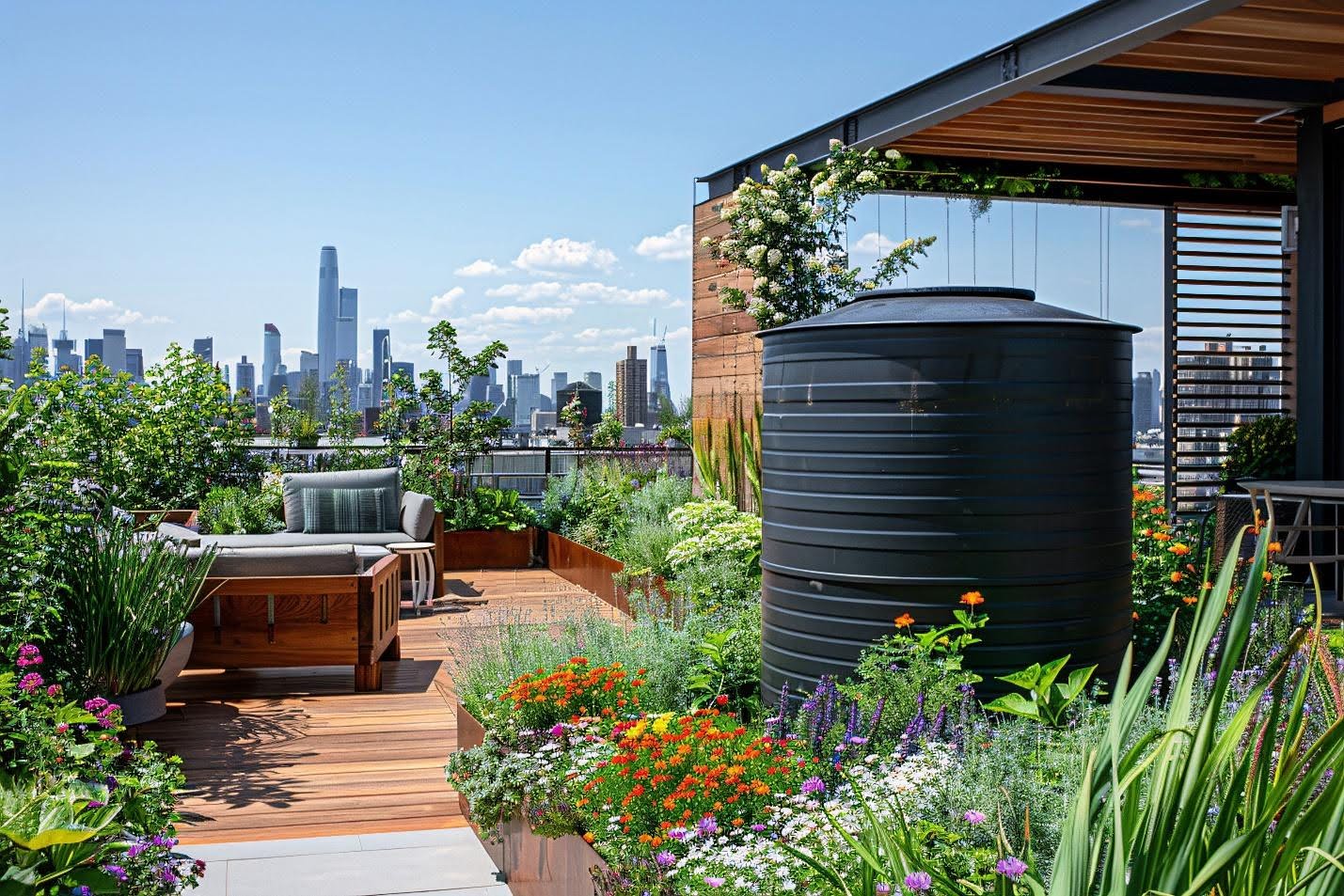
The 1000-gallon water tank is a wise addition for homeowners, farmers, and businesspeople who wish to have reliable water storage. You want to gather rainwater or store emergency water, and also be able to maintain the daily consumption. The size of the tank will allow flexibility and calmness. Nevertheless, it does not install as easily as bringing one into your backyard and filling it with some stuff.
The tank must fit in your space, the use of the water, and the necessary setup are some of the reasons to consider before selecting a tank. This is a guide on the major considerations to make before installing a 1000-gallon water tank in order to make a long-term decision that delivers good results.
1. Understand Your Water Needs
Begin by considering the way you will use the water that you are storing. Is the 1000 gallon water tank for irrigation, domestic reserve, livestock, or rainwater collection? Such applications might need various filtration or treatment systems.
A tank holding 1000 gallons of water needs to be maintained on a regular basis. Maintenance includes leakage inspection and sediment removal. When maintenance is not considered, it may result in water contamination or shorter tank longevity.
2. Choose the Right Location
Place is very important in terms of safety and convenience. A 1000-gallon water tank is very heavy and, thus, the tank has to be on stable and level ground. Numerous tanks require a reinforced or compacted concrete pad.
Accessibility is also to be considered. Access to the tank should be easy to do maintenance, cleaning, and inspections.
3. Overground vs Underground Installation
Tanks above the ground are less complex to install, inspect, and repair. They are mostly cheaper and are used in the majority of residential and agricultural systems. Underground tanks are space-efficient and prevent the effects of temperature change to water, but need to be excavated and installed by professionals.
4. Tank Material
The water tanks are available in various materials such as plastic, fiberglass, and concrete, as well as metal. Plastic tanks are cheap, lightweight, and not corrosive, and hence are an excellent choice. Concrete tanks are more durable, but they are also heavier and more costly to install. Always choose a material that suits your climate, finances, and purpose of use.
5. Installation Costs and Budget
The tank in itself is not all of the cost. Installation, base prep, plumbing, filtration, and permits are all contributing costs. To avoid any surprise expenses is the reason why you should plan your budget in advance. The investment in installing a water tank is a long-term investment that will give good returns in terms of reliability and convenience.
6. Consider Climate and Temperature
Climate influences the performance and life of tanks. UV-resistant tanks used in hot regions ensure that algae do not grow and the material does not decompose. In lower temperatures, tanks can be insulated to avoid freezing. By selecting a tank that suits your setting, you will ensure the safety of both the tank and the water stored in it during all seasons of the year.