
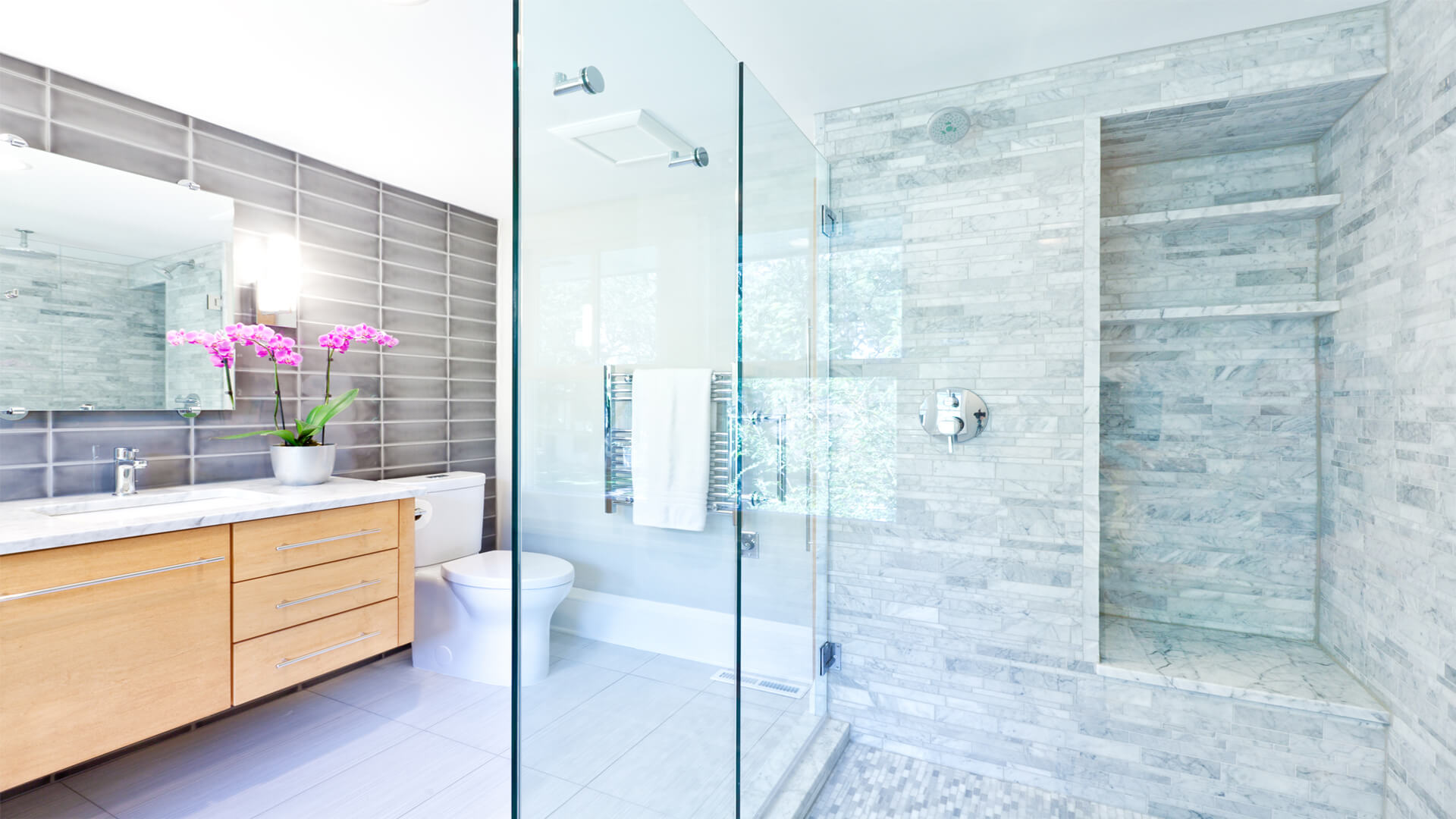
Modern bathrooms are increasingly designed as carefully considered interior spaces rather than purely functional rooms. Materials, light, colour, and proportion all play an important part in creating the finished look, and glass has become one of the most effective materials for achieving a clean and contemporary result.
A well-designed custom shower screen can do much more than contain water. It can help define the shower area, preserve natural light, improve the sense of space, and contribute to the overall character of the room. At the same time, modern bathroom glazing offers a wide range of possibilities for combining transparency, privacy, and decorative detail.
When these elements are planned together, glass can become an integral part of the bathroom design rather than simply a practical addition.
The Role of Glass in Contemporary Bathrooms
Glass works particularly well in modern interiors because it creates separation without introducing the visual weight of a solid wall.
This allows different areas of the bathroom to remain connected while still serving distinct functions.
In smaller rooms, transparent glazing can help maintain longer sightlines, making the bathroom feel more spacious. In larger interiors, glass can define a shower zone without disrupting the open character of the space.
This flexibility is one of the main reasons modern bathroom glazing has become so widely used in both residential renovations and new-build properties.
Why Choose a Custom Shower Screen?
Standard shower screens are available in many sizes and styles, but they are still designed around predetermined dimensions.
A custom shower screen provides greater freedom because the shape, size, position, and configuration can be selected specifically for the room.
This allows the screen to work more naturally with the shower tray, floor layout, wall finishes, and other bathroom features.
It can also help create better visual proportions. A panel that is designed specifically for the room is less likely to feel oversized, undersized, or disconnected from the surrounding interior.
Contemporary Shower Glass and Minimalist Design
Contemporary shower glass is often associated with minimalism, but minimalist design does not necessarily mean completely plain.
The key is usually to reduce unnecessary visual clutter and allow materials to speak for themselves.
Clear glass paired with discreet hinges and brackets can create an almost invisible enclosure, while lightly tinted or textured panels can add depth without making the design feel busy.
This approach works particularly well in bathrooms with large-format tiles, natural stone, microcement, or simple cabinetry.
The shower enclosure becomes part of the architecture rather than a separate decorative object.
Clear Glass and Visual Openness
Clear glass remains one of the most popular choices for modern bathrooms.
Its main advantage is transparency.
Instead of interrupting the room, it allows the eye to travel through the shower area, which can make the bathroom feel larger and brighter.
This is especially useful where decorative wall finishes have been used inside the shower. Marble, patterned porcelain, mosaics, and stone can remain visible rather than being hidden behind an opaque screen.
Clear glass also allows natural light to reach areas that might otherwise feel darker.
Introducing Texture into Modern Bathroom Glazing
Not every contemporary bathroom needs completely transparent glazing.
Reeded, fluted, frosted, and patterned glass can introduce texture while still maintaining a modern appearance.
These finishes are particularly useful where additional privacy is required.
The textured surface distorts the view through the glass while continuing to transmit light, creating a softer and more layered effect.
Used carefully, decorative glazing can become a subtle focal point without overwhelming the rest of the bathroom.
Bespoke Glass Enclosures
A bespoke glass enclosure can be designed in a variety of configurations depending on how the shower area is intended to function.
A walk-in arrangement may use one large fixed panel, while another bathroom might require a door and return panel.
Larger shower spaces can incorporate several glass sections to create a more enclosed environment while maintaining transparency.
Because the enclosure is planned around the bathroom, the design can take into account access, splash protection, door movement, and visual balance at the same time.
Hardware as Part of the Design
The fittings used with a shower screen can have a strong influence on its overall appearance.
Minimal polished hardware creates a very different effect from black, bronze, or brushed metal fittings.
In a contemporary bathroom, these details are often coordinated with taps, shower controls, lighting, and mirrors.
Black hardware can create a stronger architectural outline around the glass, while lighter metallic finishes allow the enclosure to blend more quietly into the room.
Warm finishes can also soften an otherwise very minimal interior.
Balancing Privacy and Openness
One of the challenges of bathroom design is finding the right balance between privacy and openness.
Clear glass maximises space and light, but it may not be suitable for every household or layout.
Modern glazing makes it possible to adjust this balance.
A fully textured panel can provide greater privacy, while partial frosting or a decorative section can offer screening only where it is needed.
This can be particularly effective in shared bathrooms, where complete transparency may not always be desirable.
Minimalist Bathroom Design and Proportion
Good minimalist bathroom design depends heavily on proportion.
Even a high-quality shower screen can look out of place if it is too large, too small, or positioned awkwardly within the room.
Custom glass allows the enclosure to be sized more carefully.
The height of the panel, width of the opening, location of the door, and relationship with nearby furniture can all be considered together.
This helps create a more balanced interior where the shower area feels integrated rather than dominant.
Light as a Design Element
Glass does more than create physical separation. It also affects the way light moves through the bathroom.
A transparent enclosure allows natural light to pass through different zones, while textured glazing can soften and diffuse it.
This interaction with light can make the bathroom feel brighter and more dynamic.
In spaces with rooflights, large windows, or carefully planned artificial lighting, glass can enhance these features rather than interrupt them.
Practical Considerations
A contemporary shower enclosure still needs to perform well in everyday use.
The position of doors, accessibility of the shower controls, and effectiveness of splash protection should all be considered early.
Maintenance is also important.
Simple glass layouts with fewer channels and overlapping parts can often be easier to clean, while suitable protective treatments may reduce water marking.
The best designs combine visual simplicity with practical usability.
Creating a Cohesive Interior
The strongest bathroom designs usually have a clear visual relationship between materials.
Glass, metalwork, tiles, cabinetry, and lighting should feel like parts of the same composition.
A custom shower screen can support this by being tailored not only to the dimensions of the room but also to its overall style.
Used thoughtfully, modern bathroom glazing can preserve light, provide privacy where needed, and help create a cleaner sense of space.
The result is a bathroom that feels deliberate, contemporary, and visually coherent without relying on unnecessary decoration.