
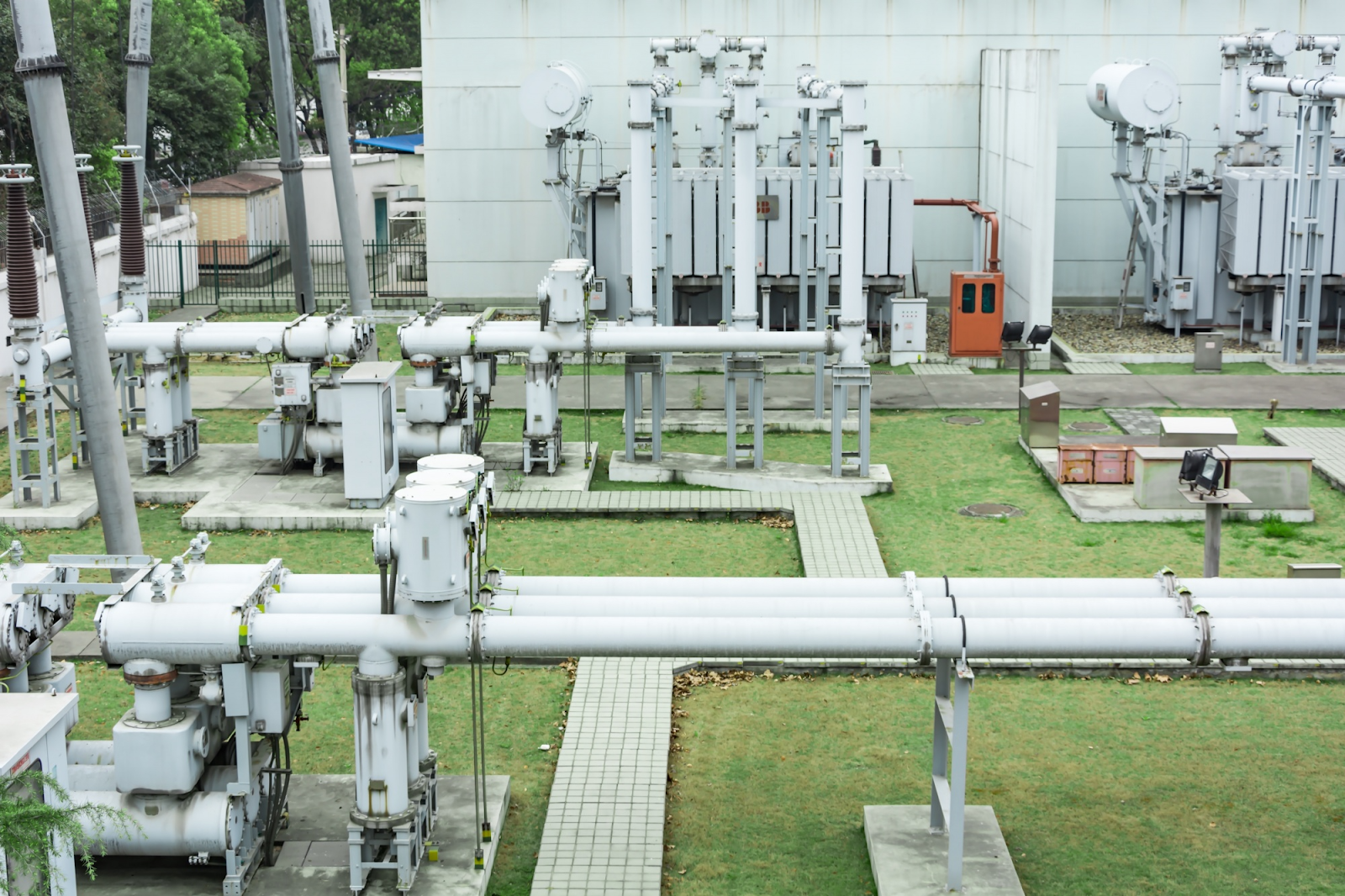
Mobile gas processing units have become an essential solution for the oil and gas industry, enabling operators to capture, treat, and transport natural gas efficiently, even in remote or temporary locations. While these systems offer flexibility and cost savings, safety remains a top priority. Proper planning, operational protocols, and staff training are critical to ensuring that mobile gas processing units operate safely and efficiently.
1. Comprehensive Risk Assessment
Before deploying a mobile gas processing unit, it is vital to conduct a detailed risk assessment. This involves analyzing the site conditions, gas composition, environmental factors, and potential hazards.
Mobile gas processing systems handle flammable gases under high pressure, so understanding the risks is essential for preventing accidents. Identifying potential hazards, such as leaks, equipment malfunctions, or exposure to toxic gases, allows operators to implement proactive safety measures.
2. Proper Installation and Secure Setup
Mobile units must be installed on stable, level surfaces with proper anchoring to prevent movement or tipping. All connections, including piping, electrical systems, and instrumentation, should meet industry standards.
Careful setup ensures that the unit functions as designed and reduces the likelihood of leaks or mechanical failures. Regular inspection of installation points and safety barriers is also necessary to maintain operational integrity.
3. Personnel Training and Certification
Well-trained staff are crucial for safe operations. Personnel should be certified in handling pressurized gas systems, emergency response, and hazard communication.
Training should cover operational procedures, proper use of personal protective equipment (PPE), and monitoring of alarms and sensors. Operators must understand the unique characteristics of the mobile gas processing unit and the specific risks associated with each deployment.
4. Continuous Monitoring and Automation
Modern mobile gas processing systems often include automated monitoring and control systems to detect pressure anomalies, leaks, and temperature fluctuations.
Regularly checking these systems ensures early detection of potential problems. Real-time monitoring allows operators to take immediate corrective action, minimizing safety risks and preventing equipment damage.
5. Emergency Response Planning
Even with proper precautions, emergencies can occur. Operators must develop detailed emergency response plans tailored to the site and the mobile gas processing unit. This includes evacuation procedures, fire suppression strategies, and communication protocols.
Regular drills and reviews ensure that all personnel are prepared to respond quickly and effectively in case of an incident.
6. Maintenance and Inspection
Routine maintenance is essential to keep mobile gas processing units safe. Regular inspections of valves, compressors, piping, and safety devices help identify wear, corrosion, or mechanical issues before they escalate.
Preventive maintenance not only extends the life of the equipment but also significantly reduces the risk of accidents or unplanned shutdowns.
Conclusion
Safety in mobile gas processing operations cannot be overlooked. By conducting thorough risk assessments, ensuring proper installation, training personnel, monitoring systems, planning for emergencies, and maintaining equipment, operators can minimize risks and optimize performance. Prioritizing safety protects personnel, the environment, and valuable assets while ensuring that mobile gas processing units continue to deliver their intended benefits efficiently and reliably.