
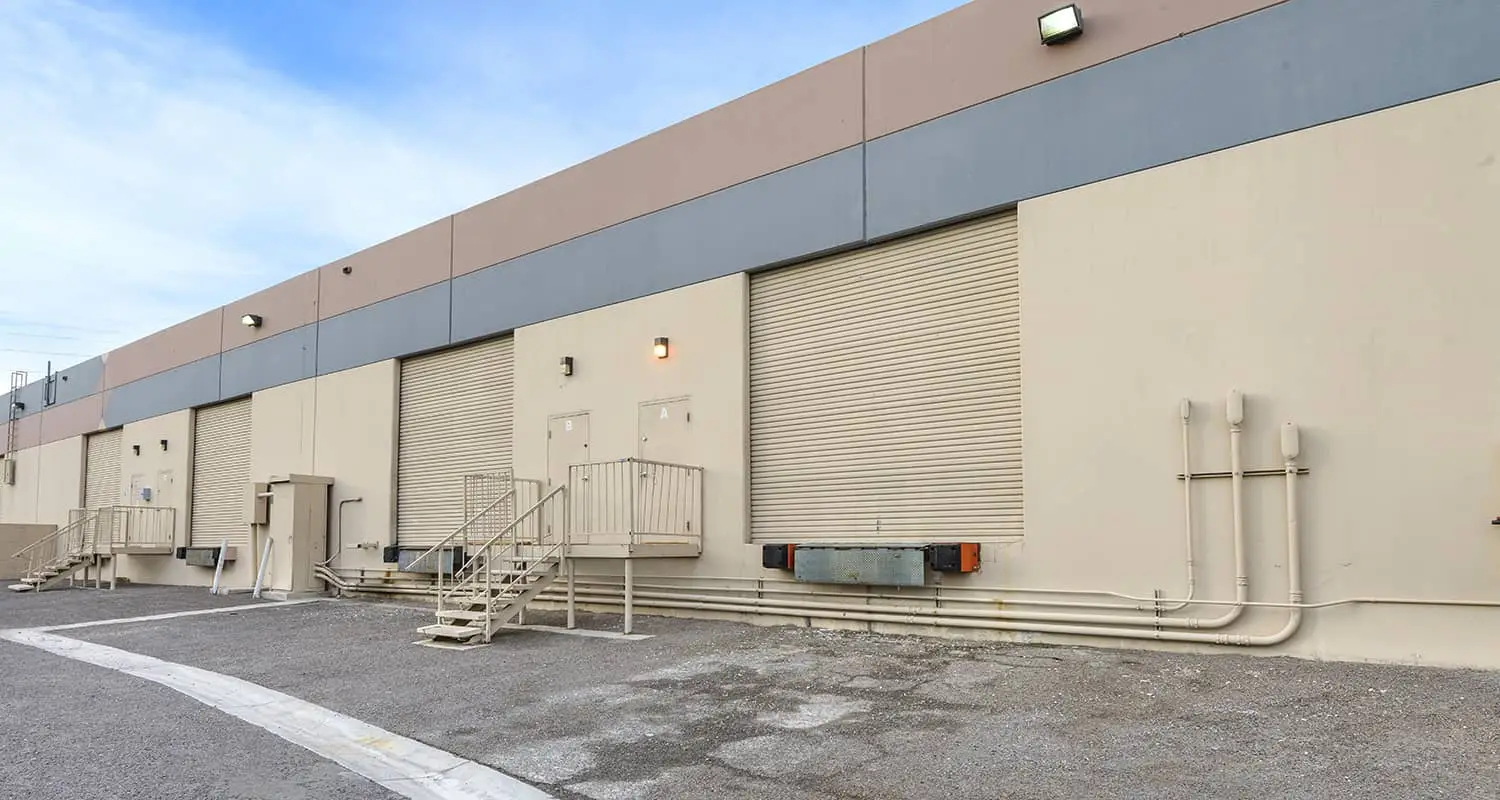
In the high-stakes world of modern logistics and industrial operations, a facility’s efficiency is often measured by its ability to move assets seamlessly across the threshold. While significant capital is invested in inventory management software and fleet optimization, the physical gateway, the commercial garage door, frequently remains an overlooked variable until a failure occurs. In 2026, the industrial landscape has shifted toward high-cycle, intelligent access systems that do more than just open and close; they act as critical nodes in a company’s thermal management, security, and operational throughput.
Understanding the lifecycle and engineering requirements of heavy-duty overhead systems is no longer just a maintenance task; it is a strategic necessity for facility managers, warehouse operators, and business owners who cannot afford the steep costs of unplanned downtime.
The Physics of High-Cycle Performance
Unlike residential systems that may cycle twice a day, a commercial overhead door in a high-traffic distribution center or an automotive service bay can cycle dozens or even hundreds of times in a single shift. This relentless demand places immense mechanical stress on every component, particularly the counterbalance system. In commercial applications, torsion springs are engineered for “high-cycle” life, often rated for 25,000, 50,000, or even 100,000 cycles.
However, even the most robust spring steel is subject to work hardening and eventual fatigue. When a commercial spring snaps, the danger is amplified by the massive weight of industrial-grade panels, which frequently feature internal steel reinforcement and heavy-duty insulation. Furthermore, the sheer scale of commercial doors requires precision-calibrated drums and aircraft-grade cables that must remain perfectly synchronized to prevent “racking.” If one side of a twenty-foot-wide door rises faster than the other, the tracks can twist, leading to a catastrophic derailment that can halt operations for days. Relying on professional EK Commercial Garage Door Services ensures that these high-tension components are monitored and replaced before they reach their failure point, maintaining the mechanical equilibrium necessary for 24/7 operation.
Thermal Resilience and Energy Mitigation
As carbon footprints and utility costs become central to corporate balance sheets, the thermal performance of a facility’s perimeter is under increased scrutiny. A commercial garage door is essentially a giant “thermal bridge.” In a climate-controlled warehouse or food processing plant, every second the door remains open is a direct drain on the HVAC system.
Modern industrial doors have evolved to combat this through polyurethane-injected sandwich construction. Polyurethane offers superior R-values compared to polystyrene because it bonds directly to the steel skins, creating a structural composite that eliminates air pockets. But the door panels are only half the battle. The real innovation in 2026 lies in advanced weather-sealing technology. High-performance “brush” seals, triple-finned jamb seals, and heavy-duty header seals create a near-hermetic environment when the door is closed. This prevents “chimney effects,” where cold air is pulled in through the bottom of the door while conditioned air escapes through the top. For businesses managing cold storage or sensitive electronics, this thermal integrity is the difference between profit and loss.
High-Speed Solutions for Modern Throughput
One of the most significant trends in industrial architecture is the move toward high-speed roll-up doors. Traditional sectional doors move at a rate of roughly 8 to 12 inches per second. In a busy logistics hub, this lag time creates bottlenecks and increases the risk of forklift collisions. High-speed doors, often constructed from reinforced PVC or high-tensile aluminum, can operate at speeds exceeding 60 inches per second.
These rapid cycles do more than just shave seconds off a delivery; they dramatically reduce the amount of time the “thermal hole” is open to the elements. High-speed systems often include “break-away” technology, where a door that is struck by a vehicle can be reset in minutes without specialized tools. This resilience is a game-changer for high-traffic environments where minor accidents would otherwise lead to hours of facility downtime.
The Digital Perimeter: Security and Compliance
The modern commercial entrance is now an integrated part of a building’s security stack. Traditional keys and basic remotes have been replaced by encrypted access control systems that provide auditable logs of every entry and exit. This transparency is vital for compliance in industries ranging from pharmaceuticals to high-value retail distribution.
Smart operators now feature geofencing and real-time monitoring. For facility managers, this means receiving an alert on a smartphone if a loading dock door has been left open past a certain hour or if a safety sensor has been obstructed. These systems also integrate with fire alarm panels. In the event of a fire, specific “fail-safe” doors are designed to drop automatically to contain the spread of smoke and flames, while egress doors must remain operational to allow for safe evacuation. Ensuring that a facility meets these complex NFPA and OSHA standards requires a deep understanding of the intersection between mechanical hardware and life-safety codes.
Proactive Maintenance vs. Reactive Crisis
The financial cost of a “door down” event extends far beyond the repair bill. It includes idle labor, missed shipping windows, compromised temperature-sensitive inventory, and potential safety hazards. A reactive approach to garage maintenance, waiting for a part to break before calling for service, is the most expensive way to run a business.
A professional preventative maintenance program is designed to move the “failure point” further down the road. This involves more than just lubrication; it is a systematic audit of the door’s “wear parts.” Technicians inspect roller bearings for flat spots, check for fraying in the lift cables, and test the “reversal force” of the operator. In a commercial setting, if the safety eyes or the leading-edge sensors are not perfectly calibrated, the door becomes a liability that can lead to worker compensation claims or damaged equipment.
The Strategic Value of the Industrial Threshold
Ultimately, the commercial garage door is a reflection of a company’s operational maturity. An aging, dented, or slow-moving door signals a facility that is struggling with its logistics. Conversely, a modern, well-maintained system, featuring smart access, high-speed operation, and superior thermal seals, is an investment in the long-term viability of the business.
By treating the industrial threshold as a critical mechanical system rather than a static piece of hardware, businesses can protect their employees, secure their inventory, and ensure that their operations remain as fluid and efficient as the 2026 market demands. Precision at the perimeter is the foundation of a reliable supply chain. When you prioritize the health of your facility’s largest moving components through expert EK Commercial Garage Door Services, you aren’t just maintaining a door; you are protecting your bottom line.