
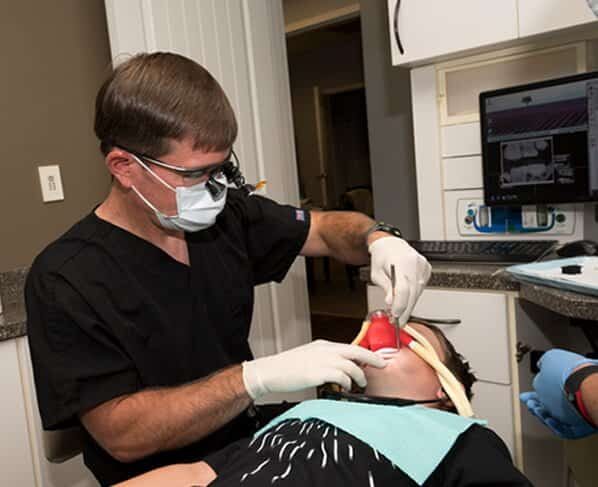
If you’ve never taken your child to the dentist before, or it’s been a while and you’re not sure what to expect, you’re not alone. A lot of parents feel unsure about what a routine Pediatric Dental Checkup actually involves, which sometimes makes it easier to put off. But once you know what the visit looks like from start to finish, it becomes a lot less intimidating, and you’ll probably feel relieved by how straightforward and positive the whole experience is designed to be.
The visit usually begins in the waiting area, which in most pediatric dental offices is specifically designed with children in mind—bright colors, toys, books, and a welcoming atmosphere that starts calming nerves before anyone even sits in a chair. When your child is called back, a dental hygienist typically greets them and gets the appointment started. Depending on your child’s age and when they last had X-rays, the hygienist may take a few dental images to get a full picture of how the teeth and roots are developing beneath the surface. These X-rays are quick, low-radiation, and incredibly useful for spotting issues that aren’t visible during a visual exam.
After the X-rays, a professional cleaning takes place where plaque and tartar are removed, the teeth are polished, and your child gets a quick lesson in brushing and flossing technique. Then comes the dentist’s examination, which is thorough but gentle. The dentist checks each tooth individually, looks at the gums, evaluates how the bite is coming together, and assesses jaw development. For growing children, this developmental monitoring is especially important because many orthodontic or spacing concerns are much easier to address when they’re caught early. According to the National Institute of Dental and Craniofacial Research, regular dental visits are one of the best tools available for tracking healthy tooth and jaw development in children.
One of the things parents often appreciate most about these checkups is the conversation at the end. The dentist will walk you through everything they observed, explain what’s going well, flag anything that needs attention, and give you a clear plan for what comes next. If your child needs follow-up treatment or a referral to an orthodontist, you’ll leave knowing exactly what to do and why. Nothing is left vague or confusing, and you’re encouraged to ask as many questions as you need.
For children who feel nervous about dental visits, pediatric dentists are trained in a range of gentle approaches that help kids feel safe. Some offices use techniques like tell-show-do, where they explain and demonstrate each step before doing it, so the child always knows what’s coming. This kind of patient, child-focused communication builds trust over time and makes each visit easier than the last. The goal is for your child to leave not just with a healthier mouth but with a positive association with dental care that stays with them for life.
Checkups are also the perfect opportunity to ask about nutrition, habits like thumb-sucking or pacifier use, and how to handle common concerns like loose teeth or mouth injuries. The American Academy of Pediatric Dentistry parent resources are a great complement to these conversations, offering guidance on a wide range of childhood oral health topics. Scheduling that checkup is one of the simplest, most impactful things you can do to protect your child’s smile and overall health today and for years to come.