
If you would like an adventure then this is it. There is no road to Iquitos. You reach the largest city in the world unreachable by car only by aeroplane or by boat, floating in from the Amazon on brown water the colour of milky tea. That isolation is part of the point. People travel from every corner of the globe to this humid, ramshackle river city in northern Peru not for the beaches or the ruins but for something far harder to describe, a few nights sitting on a mat in a jungle maloca, drinking a bitter brown brew and meeting themselves without the usual armour.
Ayahuasca has moved from the fringes of anthropology journals to the front of the wellness conversation, and Iquitos has become its unofficial capital. If you are considering the trip, it pays to arrive with clear eyes. This is not a spa weekend. Done well it can be one of the most meaningful experiences of your life. Done carelessly it can be genuinely dangerous. Here is what to actually expect.
The city and the jungle
Iquitos itself is loud, hot and alive. Motokars: three-wheeled tuk-tuks, swarm the streets. The old rubber boom mansions along the Malecón are peeling and grand at once. You will likely spend a night or two here before heading out to your retreat centre, which is usually somewhere beyond the city limits: down a tributary by boat, or along a red-dirt road into the trees. That distance matters. The best centres are deliberately remote, because the work happens in silence and darkness, away from traffic, phone signal and distraction.
The climate is unrelenting. It is hot, wet and buggy year-round, with the “wet” season roughly November to May bringing higher rivers and heavier downpours. Pack light, breathable clothing, a good insect repellent, a head torch and a sense of humour about mud.
What Ayahuasca actually is
Ayahuasca is a brew, traditionally made from the Banisteriopsis caapi vine combined with the leaves of Psychotria viridis (chacruna). The vine contains compounds that allow the DMT in the leaf to become orally active: a piece of Indigenous pharmacological knowledge that Western science is still marvelling at. Amazonian peoples have used it for centuries as a medicine, a diagnostic tool and a way of communicating with the natural and spiritual world.
The experience is usually intense. Visions are common, but ayahuasca is not primarily a “trip.” Most people describe it as a kind of guided reckoning, old memories surfacing, emotions moving through the body, a sense of being shown things about yourself you have spent years avoiding. It can be beautiful. It can also be frightening, tedious, physically uncomfortable, or all three in one night. Purging: vomiting, and sometimes diarrhoea, is considered part of the healing, the body releasing what the mind has been holding. Locals call it la purga for good reason.
Choosing a retreat: the single most important decision
This is where you must slow down. The quality of centres in and around Iquitos varies enormously, from serious, ethically run operations with genuine Shipibo or local healers to opportunistic outfits chasing tourist money with no safety net at all. There have been real tragedies over the years, almost always at unregulated places. Choosing well is not fussiness; it is the whole game.
Look for a centre that screens you medically before you arrive. Any place that will pour brew for anyone with a credit card should be struck off your list immediately. A reputable centre will ask about your physical and mental health history and turn people away when the risk is too high.
Look for genuine facilitators who speak your language and stay sober and present through the ceremony not just the maestro singing the icaros. Look for small groups, a clear code of conduct, and transparency about who the healers are and where the medicine comes from. Read independent reviews, ask hard questions over email, and pay attention to how they answer. Trust your instincts. If the marketing leans on Instagram Mysticism and guaranteed enlightenment, walk away.
The dieta and preparation
Serious retreats ask you to follow a dieta: a preparatory diet, for days or weeks beforehand. Typically that means cutting alcohol, recreational drugs, pork, red meat, salt, sugar, spicy and fermented foods, caffeine and sexual activity. It sounds austere, but it steadies the body and, many say, sharpens the experience.
The most critical part of preparation is pharmacological. Ayahuasca can interact dangerously with a range of medications, most notably antidepressants such as SSRIs and SNRIs, as well as some other prescription drugs. Combining them can trigger serotonin syndrome, which can be life-threatening. This is not optional caution. If you take any regular medication, you must disclose it and be guided by medical advice about tapering safely, and some conditions mean ayahuasca simply is not for you. Certain heart conditions, a history of psychosis or schizophrenia, and some other diagnoses are firm contraindications. A responsible centre will insist on this conversation. If yours doesn’t, that tells you everything.
What a ceremony is like
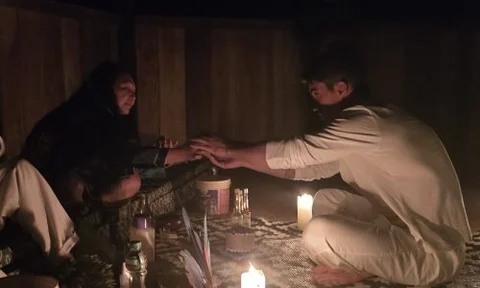
Ceremonies happen at night, usually in a round maloca, often in complete darkness. You will be given a mat, a bucket and a spot to call your own. The maestro serves each participant a cup, then the room settles into stillness and the icaros: healing songs, begin. Over the next four to six hours the medicine does its work at its own pace. Some people cry, some laugh, some sit motionless, some are very sick. Facilitators move quietly through the room, helping where needed.
There is no schedule inside the experience. Time bends. Your job is mostly to surrender, breathe, and let it unfold rather than fight it. Most retreats run several ceremonies across a week, with rest days between.
Integration matters more than the ceremony
The insights are only worth as much as what you do with them afterwards. Good centres build in integration, group sharing, one-on-one talks, time in nature, journalling, to help you make sense of what came up. But the real integration happens back home, over the following weeks and months. Go in expecting to keep working long after the visions fade, and be gentle with yourself as you land. Many people book a few quiet days in Iquitos or elsewhere before flying home rather than bolting straight back to their normal life.
A final word
Approach Iquitos with respect rather than as a box to tick. This is a real medicine within a living tradition, not a novelty. Do the research, be scrupulously honest about your health, choose your centre with care, and arrive with humility rather than a shopping list of expectations. Come for curiosity and openness, not for a guaranteed transformation.
If you go in that spirit: prepared, cautious and genuinely willing, the jungle has a way of giving you exactly what you came for, even when it is not what you thought you wanted.
This article is general information only and is not medical advice. Always consult a qualified healthcare professional before considering ayahuasca, particularly regarding medications and pre-existing conditions