
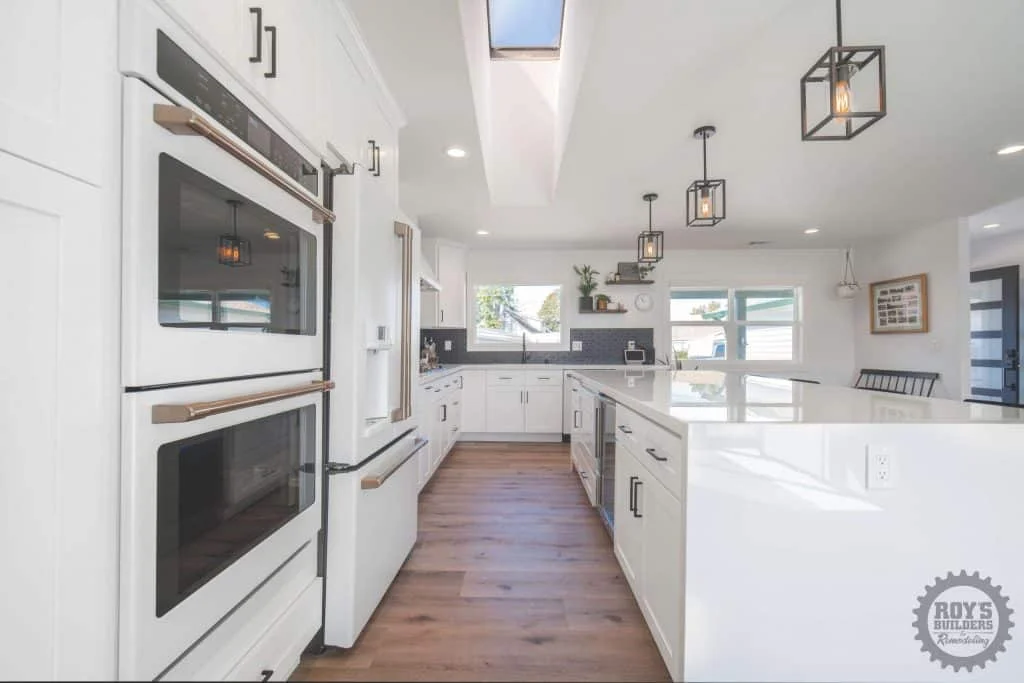
Transforming your house into your dream home is one of the most rewarding journeys you can undertake as a homeowner. Whether you are updating a single room, modernizing an outdated floor plan, or undertaking a full-property makeover, a successful remodel dramatically improves your daily living experience and builds substantial property value. However, without a clear strategy, the renovation process can quickly feel overwhelming. Partnering with a reliable home renovation company helps bring structure, clear communication, and expert craftsmanship to your project, keeping your timeline on track and your budget under control.
To ensure your construction journey runs smoothly from concept to completion, this comprehensive guide breaks down the essential tips every homeowner needs for a stress-free, highly successful home renovation.
1. Establish a Clear Budget and Contingency Fund
Financial planning is the foundation of any remodeling effort. Setting a realistic budget early prevents decision fatigue and keeps the project aligned with your financial comfort zone.
Define Your Priorities
Categorize your project into “must-haves” (e.g., updating electrical wiring or fixing layout bottlenecks) and “nice-to-haves” (e.g., custom marble backsplashes or luxury light fixtures). If costs rise during construction, you will immediately know where to adjust without compromising structural priorities.
Build in a Contingency Reserve
Renovations often reveal hidden surprises once walls are opened up, such as outdated plumbing, electrical code violations, or hidden moisture damage. Setting aside a 15% to 20% contingency fund ensures you can handle unforeseen challenges without stalling construction progress.
2. Focus on Layout and Daily Functionality First
It is easy to get caught up in paint swatches, cabinet finishes, and tile patterns, but visual design should always follow functional layout planning. A stunning room with poor traffic flow quickly becomes frustrating to live in.
- Map Traffic Patterns: Ensure wide, clear walkways between high-traffic zones, especially in kitchens, hallways, and entryways.
- Maximize Natural Light: Position main living spaces near large windows or patio doors to optimize daytime sunlight.
- Prioritize Storage: Integrated built-in cabinetry, walk-in pantries, and deep closet organization prevent future clutter and maintain a clean aesthetic.
3. Choose Materials Built for Long-Term Durability
Investing in high-quality, low-maintenance materials pays off in both daily ease of use and long-term home valuation.
Area of Home
Recommended Material
Key Advantage
High-Traffic Flooring
Luxury Vinyl Plank (LVP) / Tile
100% Waterproof, scratch-resistant, easy maintenance
Kitchen Surfaces
Engineered Quartz Countertops
Non-porous, stain-resistant, requires zero sealing
Bathrooms
Porcelein / Ceramic Slabs
Moisture-resistant, highly durable against daily wear
Cabinetry
Solid Wood Frames & Hardware
Long lifespan, repairable, withstands heavy daily usage
4. Plan for Energy Efficiency and Smart Upgrades
Modernizing your home provides the ideal opportunity to integrate sustainable, energy-efficient features that lower monthly utility bills and reduce your environmental footprint.
Insulation and Climate Control
Upgrading wall and ceiling insulation keeps indoor temperatures stable year-round, easing the load on your heating and cooling systems. Replacing drafty single-pane windows with low-emissivity (Low-E) double-pane glass drastically improves energy retention.
Smart Home Integration
Consider incorporating smart thermostats, programmable LED lighting scenes, and automated window shades during the rough-in electrical phase. Installing these systems while walls are open is far simpler and more cost-effective than retrofitting them later.
5. Understand Permits and Building Code Requirements
Navigating local municipal permits is crucial for maintaining safety standards and preserving your home’s legal resale value. Doing unpermitted work can lead to heavy fines, delayed sales, or costly teardowns during city inspections.
Key steps to keep in mind:
- Ensure structural wall changes, plumbing relocations, and electrical panel upgrades are fully permitted.
- Schedule required city inspections at major milestones (framing, rough-in utilities, final walkthrough).
- Keep a physical and digital folder of all approved plans, permits, and inspection sign-offs for future home buyers.
6. Maintain Clear Communication During Construction
Open communication between you and your building team is the key to a stress-free renovation experience. Establish daily or weekly check-ins to review completed work, discuss upcoming schedules, and resolve any questions promptly.
- Set Up a Project Hub: Dedicate a specific area on-site or use a digital shared folder for storing blueprints, material spec sheets, and contract documents.
- Confirm Design Selections Early: Ordering tiles, appliances, and custom cabinets well in advance prevents long shipping delays from stalling the job site.
- Document Every Change Order: If you modify design plans mid-project, ensure all scope changes, pricing adjustments, and timeline updates are documented in writing before work proceeds.
Bringing Your Renovation Vision to Life
A successful home renovation is a balance of careful financial planning, thoughtful layout design, and skilled craftsmanship. By prioritizing functionality, selecting durable materials, and maintaining clear communication across every phase of construction, you can smoothly navigate the building process and enjoy a beautifully upgraded space tailored perfectly to your lifestyle.