
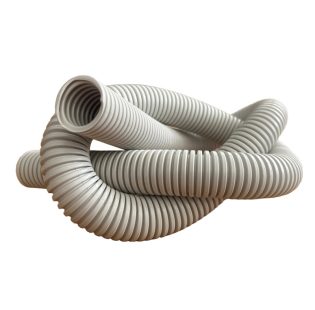
Modern electrical systems depend on cables that remain protected throughout their working life, whether they are installed inside machinery, vehicles, buildings, or other technical environments. Cable routes may be exposed to vibration, abrasion, impact, and repeated movement, making suitable protection an important part of installation planning. Split corrugated conduit offers a practical option for covering existing cables without requiring connectors or terminals to be removed. Its flexible construction makes it useful for retrofits, maintenance work, and complex cable routes.
Renewable energy systems present different challenges because their wiring may remain outdoors for many years. Solar conduit is used to protect cables associated with photovoltaic installations where exposure to sunlight, changing temperatures, and external conditions must be considered. Suitable conduit can support a tidy cable route while helping installers reduce unnecessary exposure that may contribute to wear over time.
Why Cable Protection Requires Careful Planning
Cables may look durable, but their insulation can gradually deteriorate when exposed to harsh conditions. Continuous rubbing against a surface, repeated bending, accidental impact, or contact with moving components can affect the outer layer of a cable. Damage may not always be immediately visible, which is why preventive protection is generally more practical than waiting for a fault to occur.
The installation environment should guide the choice of protective tubing. A cable positioned inside a stationary electrical cabinet faces different risks from wiring installed near machinery or on an outdoor structure. Understanding these differences allows installers to select a product based on actual operating conditions.
Planning should also consider future access. Cables may need to be inspected, repaired, replaced, or extended. A well-organised protective system can make these tasks easier by keeping cable routes clear and reducing unnecessary confusion during servicing.
The Advantage of Protecting Existing Cable Runs
Many cable protection systems are easiest to install before the wiring is terminated. However, this is not always possible. Existing equipment may already contain connected wiring, or a cable may have large plugs and connectors that cannot easily pass through standard tubing.
A split design can be fitted around the cable rather than requiring the cable to be threaded through from one end. This makes it particularly useful for existing installations where dismantling electrical connections would increase labour and downtime. The tubing can be applied to specific sections where extra protection is needed.
This approach is also valuable during equipment upgrades. New hazards may become apparent after machinery has been in operation for some time. Adding a protective layer around vulnerable wiring can provide a targeted solution without requiring major changes to the complete electrical system.
Flexibility for Complex Installation Routes
Cable routes often need to pass around corners, through narrow spaces, and between components. Rigid protection can be difficult to use in these situations, especially when the path changes direction several times. Flexible corrugated tubing can follow irregular routes more easily while continuing to cover the cable.
This flexibility is useful in industrial equipment, automotive wiring, control systems, manufacturing machinery, and other technical applications. The corrugated structure can accommodate bends while helping keep groups of cables together.
A more organised route can also reduce the risk of loose wiring becoming caught on surrounding components. When cables are properly contained, the installation can be easier to inspect and maintain. This is particularly important in areas where technicians regularly access equipment for servicing.
Outdoor Conditions Create Different Challenges
Photovoltaic installations often place electrical wiring in environments that differ significantly from indoor applications. Cables may be installed across rooftops, exterior walls, mounting structures, or other exposed locations. These routes can experience prolonged sunlight, temperature changes, moisture, and general environmental exposure.
The materials used for cable protection should therefore be chosen with the installation location in mind. Indoor products may not always be suitable for outdoor conditions. Installers need to assess how and where the conduit will be positioned before deciding on the appropriate solution.
Cable routing is equally important. Poorly planned wiring can make inspection difficult and may leave sections unnecessarily exposed. A clearly arranged protective route supports easier identification of cables and can simplify maintenance throughout the service life of the system.
Matching Conduit Size to Cable Requirements
Choosing the correct size is an essential part of conduit installation. Tubing that is too small may make cable placement difficult, while an oversized product may create unnecessary bulk. The number and diameter of cables should be considered before the final selection is made.
Installers should also account for bends and changes in direction. A cable route that looks simple on a plan may involve tighter spaces once work begins. Reviewing the complete path beforehand can help identify areas where additional flexibility or access will be required.
Future changes should also be considered. Some installations may need additional wiring later. Where expansion is likely, planning adequate space at the beginning can make upgrades easier and reduce the need to replace the existing protective system.
Supporting Efficient Inspection and Maintenance
Good cable management can save time during routine maintenance. When wiring is clearly routed and protected, technicians can identify sections more quickly and inspect them for signs of wear. Organised cable runs also make it easier to trace connections during fault-finding.
Maintenance requirements vary according to the application. Machinery exposed to frequent vibration may need regular checks, while outdoor installations may require inspection after severe weather or other environmental events. Protective tubing should form part of these routine checks.
Careful product selection and correct installation can support a cleaner, more manageable cable system. By considering protection during initial planning and later upgrades, installers can reduce unnecessary wear, simplify servicing, and support reliable electrical performance over the long term.